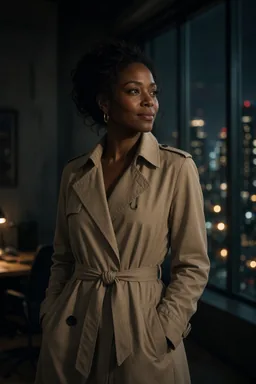
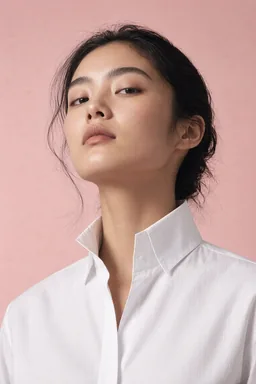
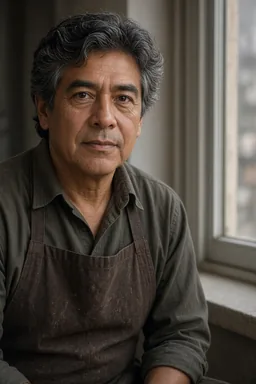
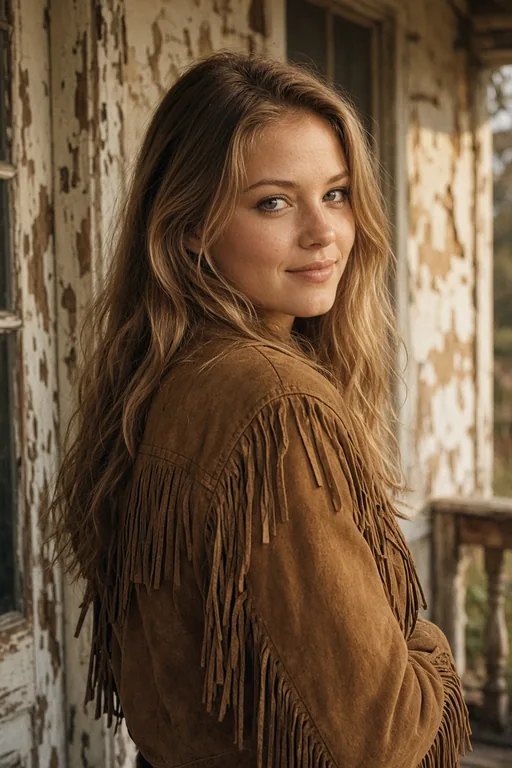
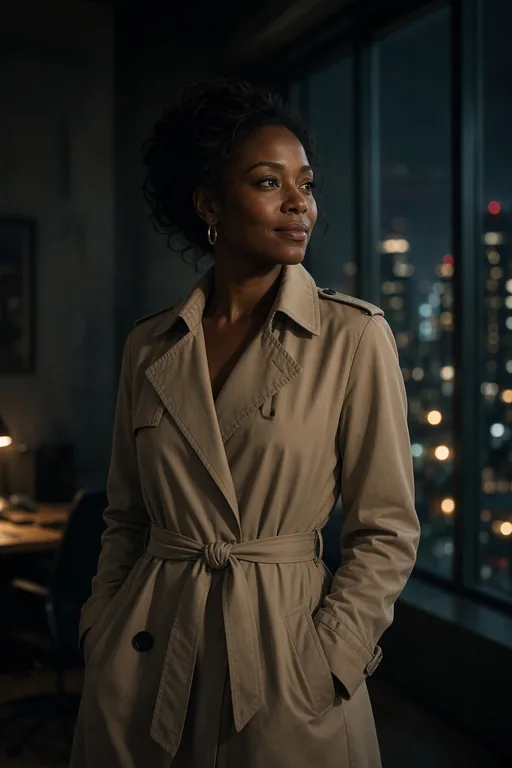
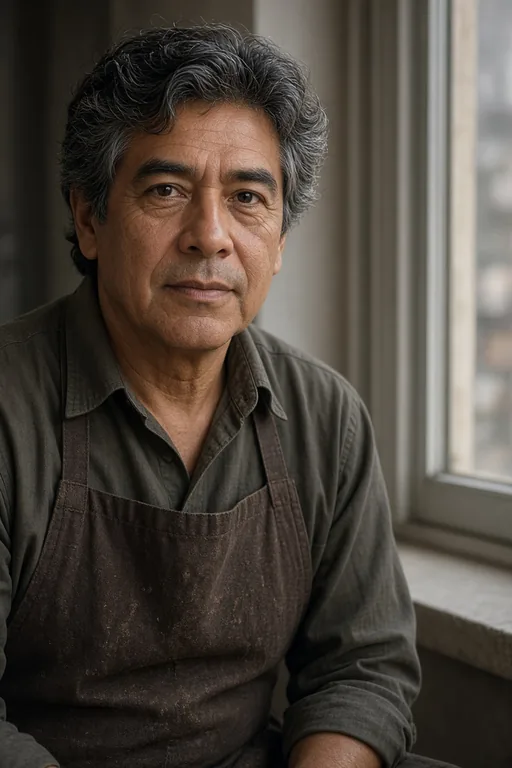
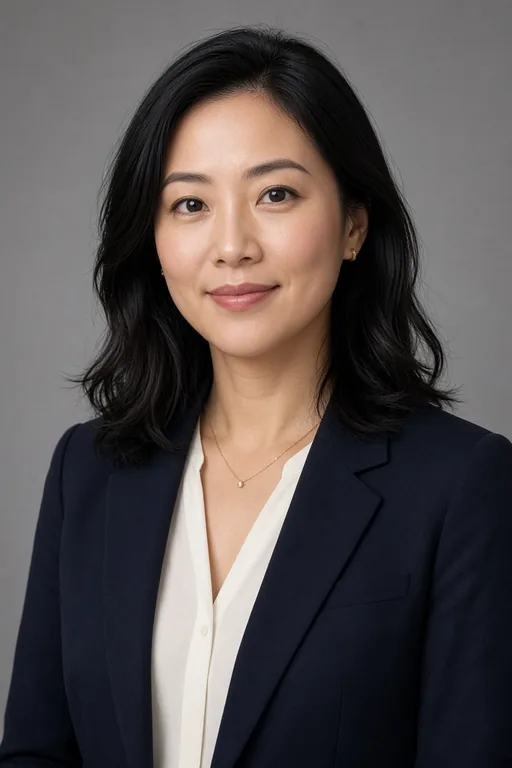
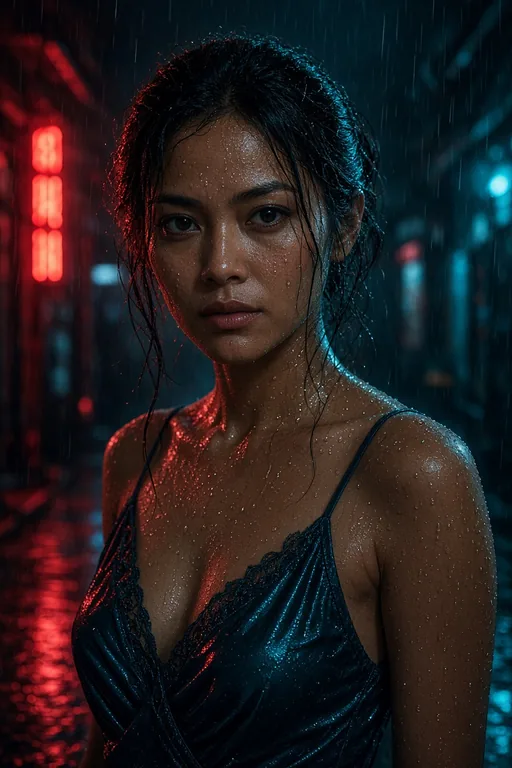
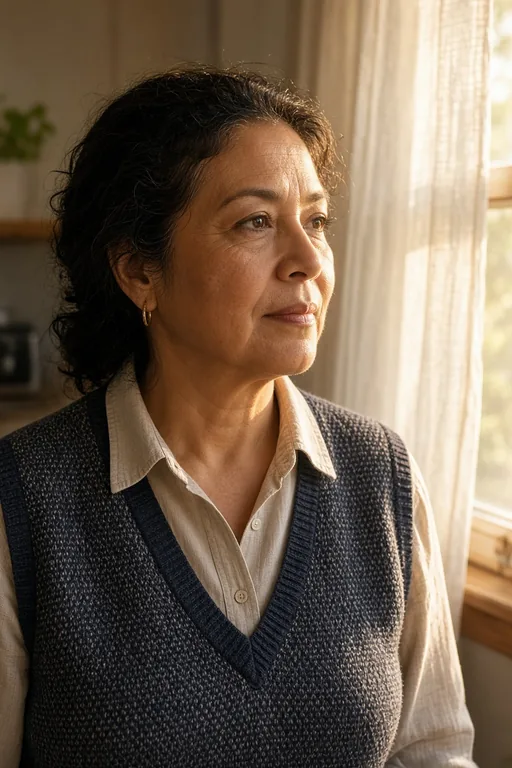
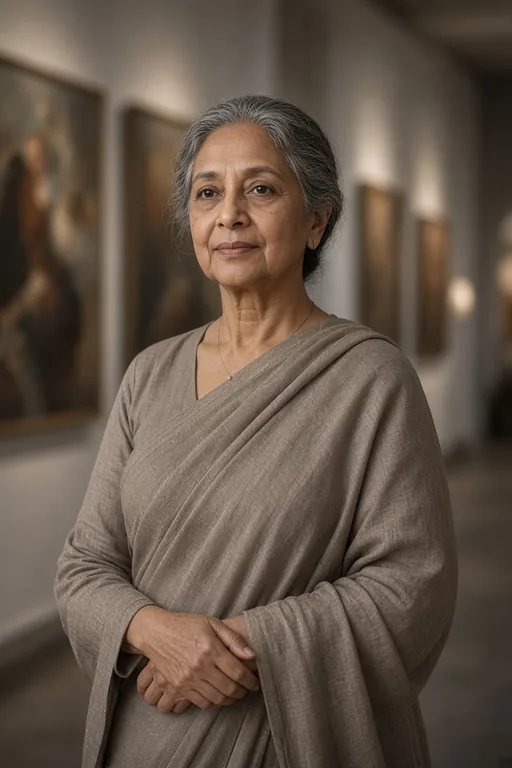
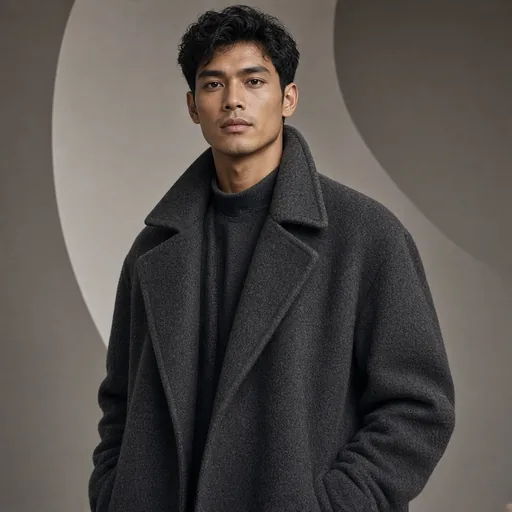
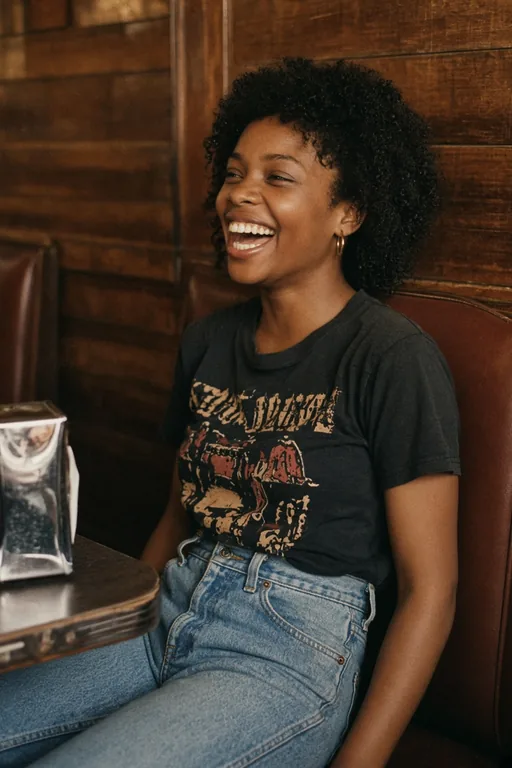
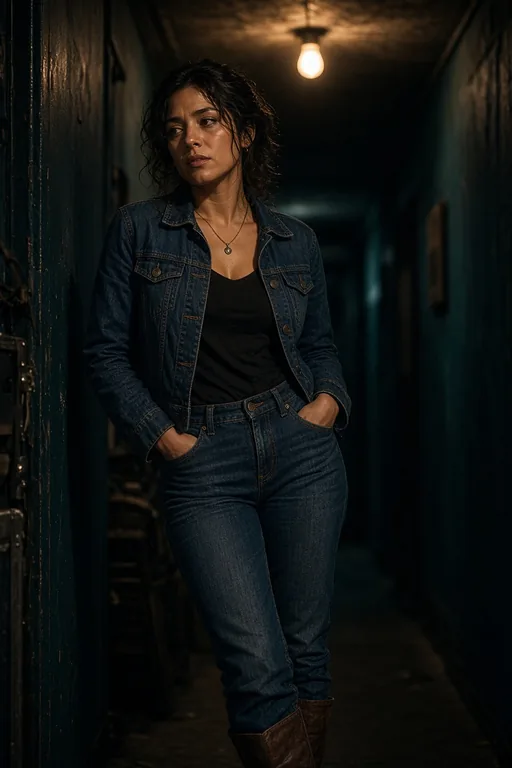
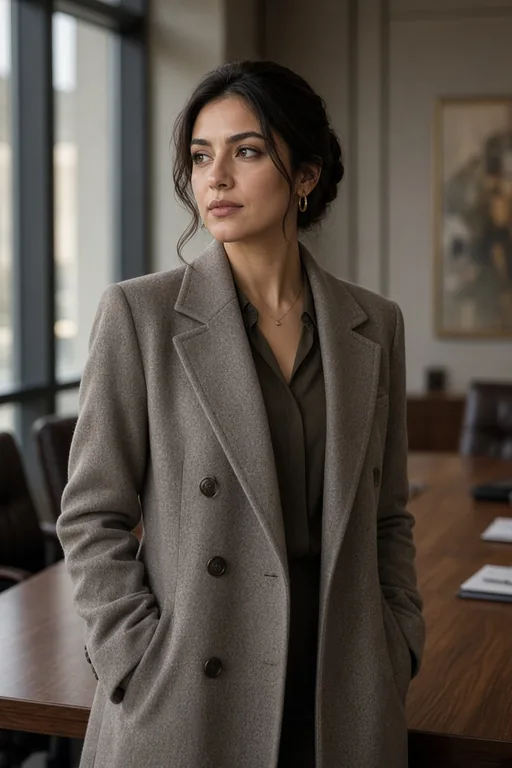
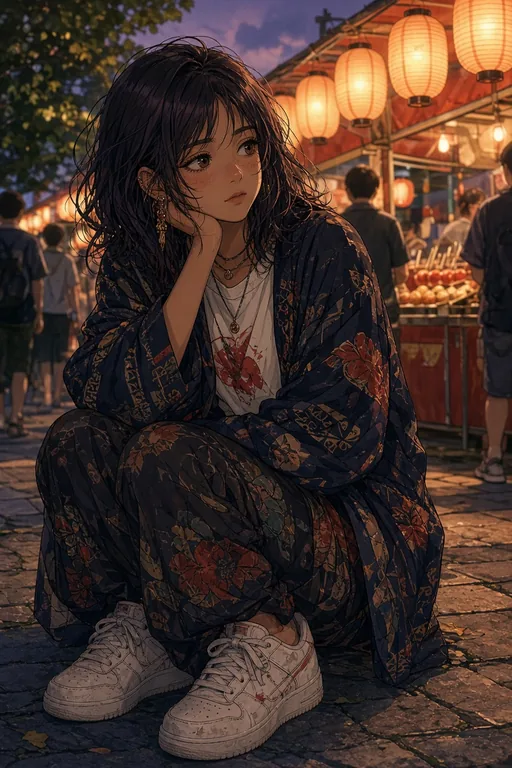
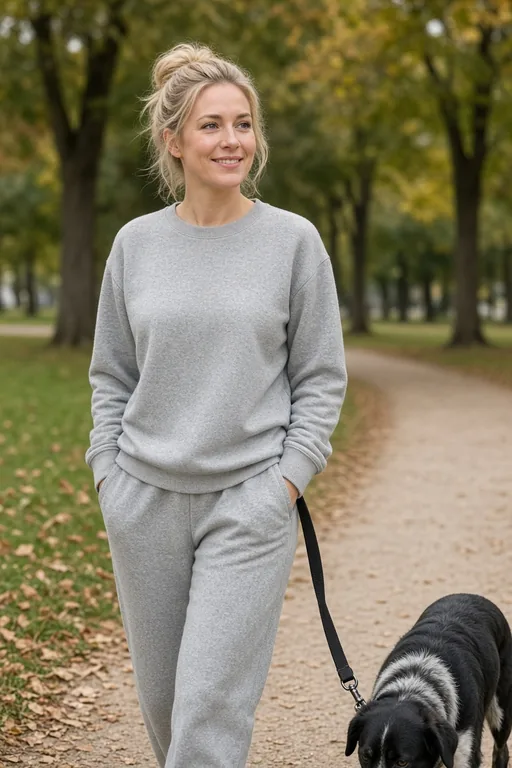
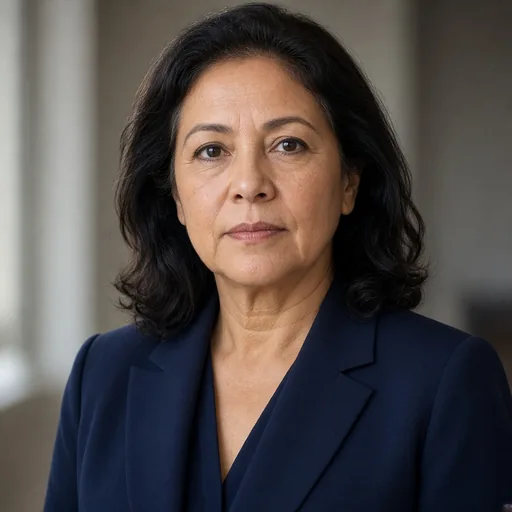
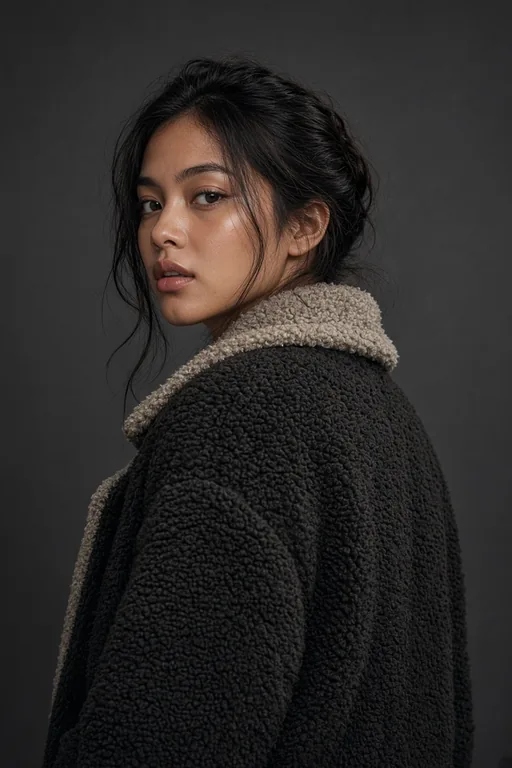
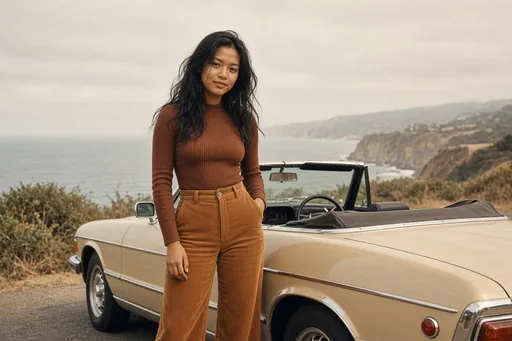
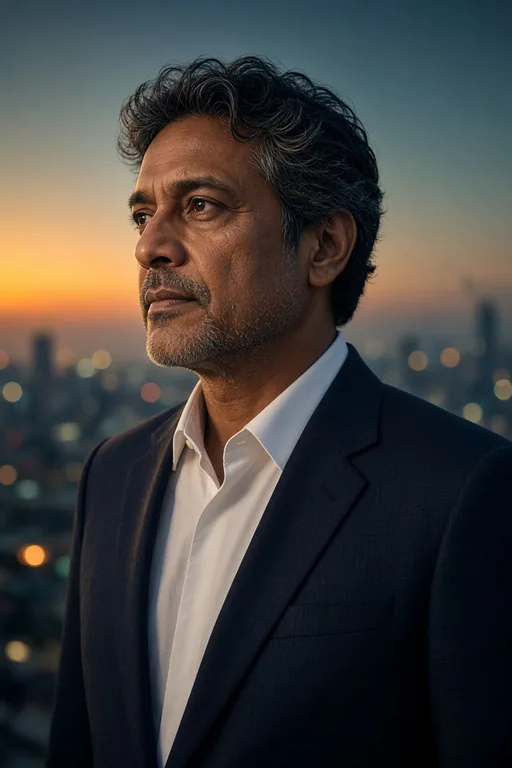
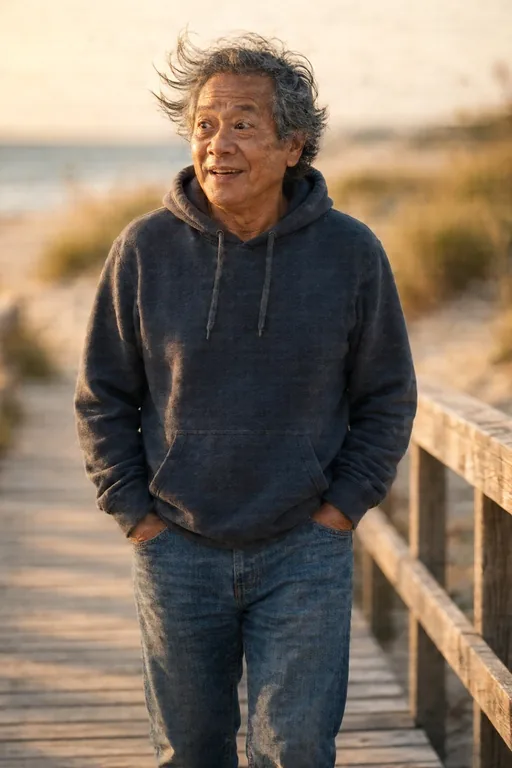
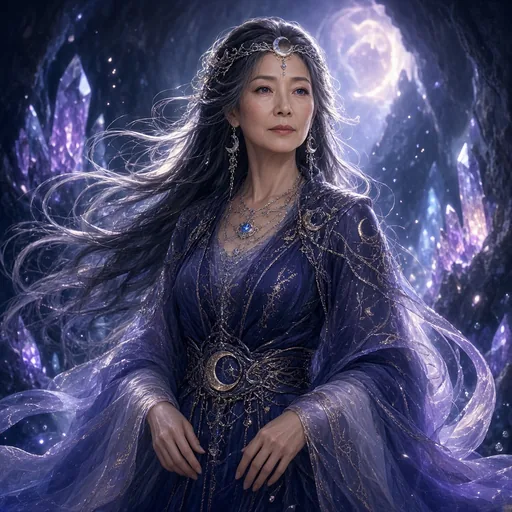
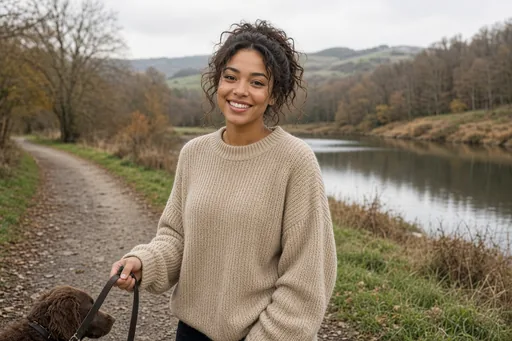
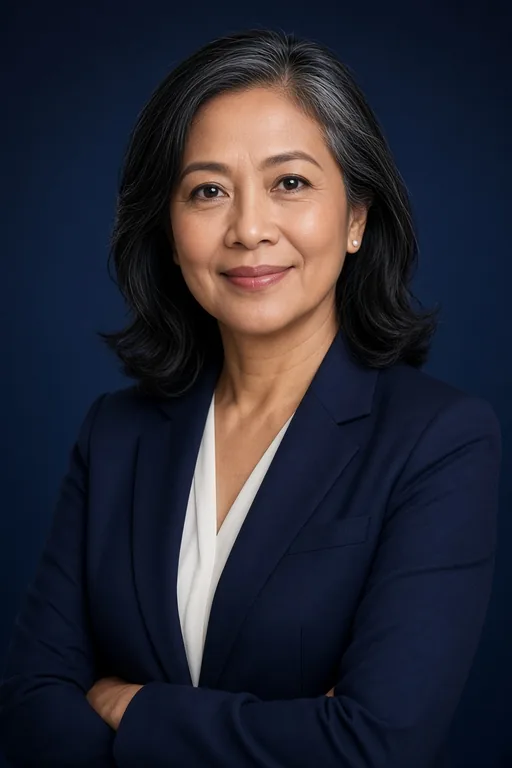
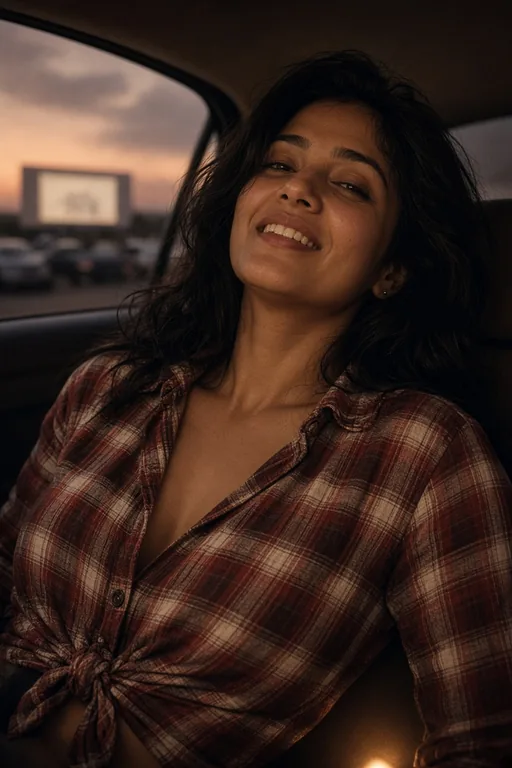
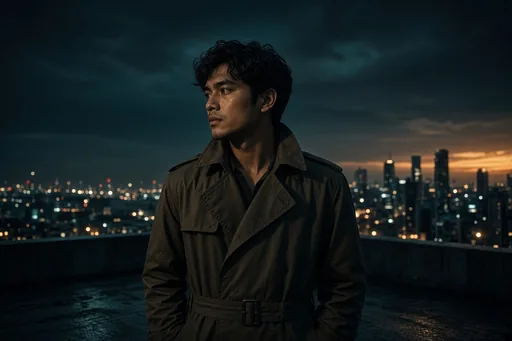
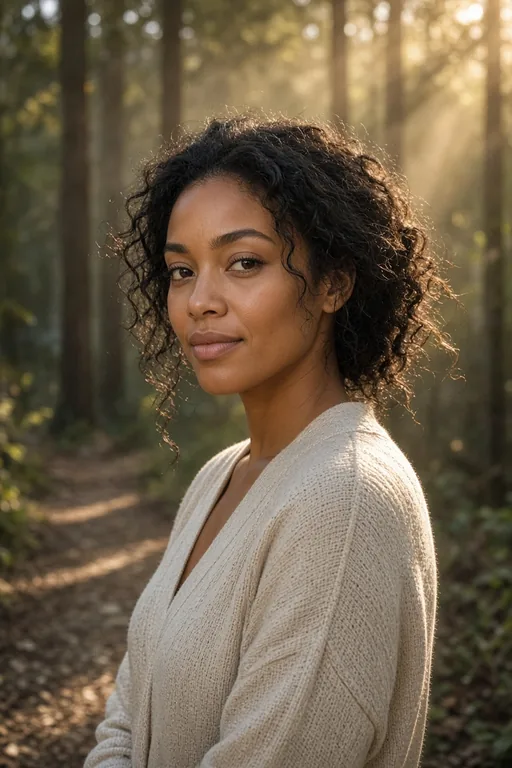
Founders and marketing teams can explore campaign directions before booking a full production. Authors and musicians can test cover moods. Game and film teams can visualize casting archetypes. Educators can create respectful fictional presenters for learning material. Designers can build a consistent set of profile visuals by repeating the same framing, light and background grammar while changing only approved subject details.
For a real identifiable person, text-to-image is best used for concept exploration rather than exact identity replication. When preserving a specific person matters, start from an authorized portrait in the Portrait Restyle or Pose & Expression editing workflow. Always obtain appropriate permission for likeness use, avoid deceptive contexts and review commercial output for brand, publicity and intellectual-property concerns before publication.
Teams that ship at volume benefit most when they treat a good portrait prompt as a reusable template rather than a one-off. Lock the camera height, lighting pattern, background family and crop, then vary only role-specific details — a healthcare professional in scrubs, a chef in a kitchen, an executive in a neutral studio — and the outputs form a coherent portrait system for an About page, a speaker roster or a course faculty grid. This is faster and more consistent than asking a model to reinvent the framing for every subject, and it keeps the visual identity stable as the team grows.