<think>The user wants me to translate a blog fragment from English to Portuguese. I need to maintain all markdown syntax, URLs, image paths, and the brand name "GLMImage" untranslated. Let me translate this naturally into fluent Portuguese.
Let me go through the text:
- The image alt text - translate naturally
- "This sunflower plate" - "Esta prancha de girassol"
- The description of what it was created from - translate naturally
- The workflow description
- The CTA links
- The failure modes description
Let me craft a natural Portuguese translation.</think>
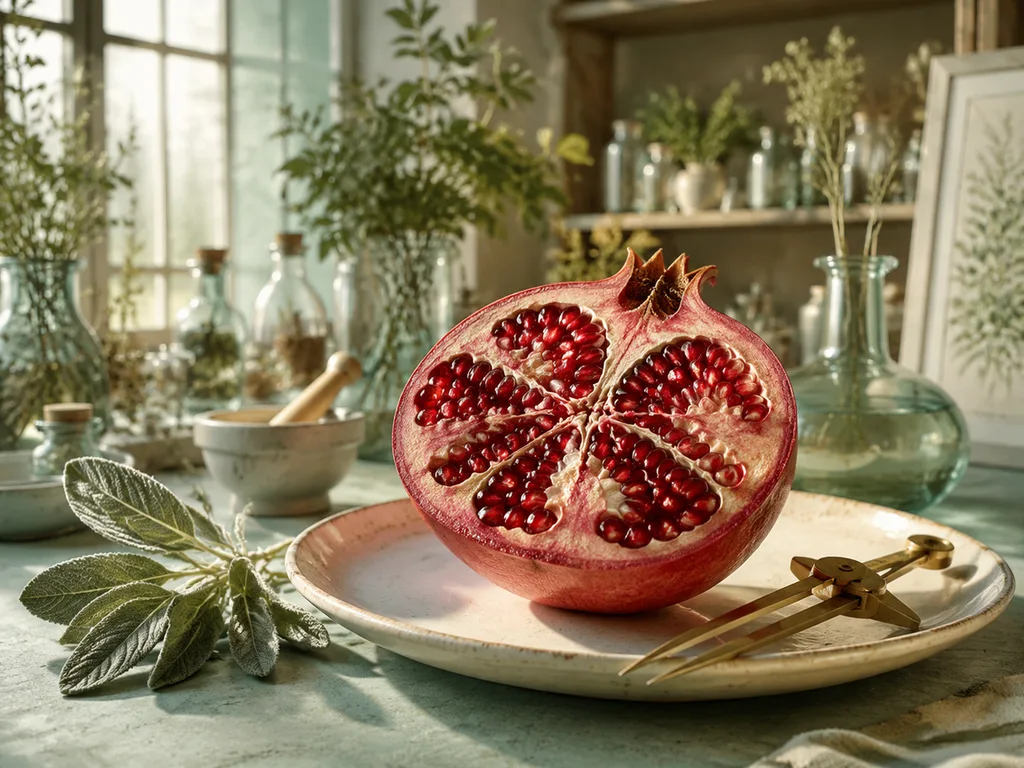
Esta prancha de girassol — com seu capítulo rotulado, flores tubulosas, flores liguladas e famílias de espirais contadas — foi criada a partir de um único prompt. Nenhuma habilidade de desenho, nenhum software vetorial, cerca de dois minutos. Este guia mostra o fluxo de trabalho exato por trás dela: como escolher um assunto, escrever um prompt que produza rótulos corretos, iterar sobre o resultado e verificar a ciência antes de usá-la.
Gere sua primeira ilustração · Pular para o modelo de prompt · Mais exemplos
Uma ilustração científica falha de duas formas: o desenho está errado, ou os rótulos são ilegíveis. Bonito é opcional; correto não é. Por isso, o fluxo de trabalho abaixo é construído em torno desses dois modos de falha — o prompt existe para forçar uma estrutura correta, e a última etapa existe para capturar o que o modelo errou.
<think>The user wants me to translate an article fragment from English to Portuguese. I need to:
- Keep all markdown syntax intact
- Keep URLs, image paths, and HTML tags exactly as-is
- Keep code blocks untranslated (translate only comments when safe)
- Keep "GLMImage" untranslated
- Use native, fluent Portuguese
- Output only the translated markdown
Let me translate this fragment carefully into natural Portuguese.</think>
O que você precisa antes de começar
Três coisas, nenhuma delas artísticas:
- Um assunto suficientemente restrito para caber em uma única prancha — "o ciclo da água" é um diagrama, "como a água se move através de uma folha" é uma ilustração.
- Uma fonte de referência confiável: uma página de livro didático, um guia de laboratório universitário, uma figura de periódico. Você vai conferir seu resultado com ela no Passo 4.
- Uma lista de legendas — as 3 a 6 estruturas que precisam ser nomeadas na imagem final. Escreva-a antes de redigir o prompt. A lista de legendas é a especificação; a imagem existe para apontar para as legendas.
<think>The user wants me to translate this article fragment about creating botanical illustrations with AI into natural, fluent Portuguese. I need to:
- Keep all markdown syntax intact (tables, headings, code blocks, etc.)
- Keep URLs, image paths, HTML tags exactly as-is
- Keep code blocks untranslated (only translate comments if trivially safe)
- Keep "GLMImage" untranslated
- Use native, fluent Portuguese expression
- Output only the translated markdown
Let me translate this carefully, keeping technical botanical terms appropriate. Some terms like "capitulum", "ray floret", "disc floret", "parastichy" are scientific Latin terms that are commonly used in Portuguese botanical literature, so I should keep them as-is or use the established Portuguese equivalents.
Let me think about each term:
- "capitulum" → "capítulo" or keep "capitulum" (both used in Portuguese botany)
- "ray floret" → "flor ligulada" or "flor do raio" - in Portuguese botanical usage, "flor ligulada" is common
- "disc floret" → "flor tubulosa" or "flor do disco"
- "parastichy" → "parasticie" or keep "parastichy"
Looking at the context, this is a technical article about using specific vocabulary to get good AI image results. The terms appear in the prompt as English labels (CAPITULUM, DISC FLORET, RAY FLORET, PARASTICHY). Since the code block should remain untranslated (these are prompts that the AI uses), I'll keep those as-is.
In the prose, I'll use the established Portuguese botanical terms but might keep some of the English originals where they help clarity.
Let me draft the translation:
Etapa 1: Escolha o assunto e "roube" seu vocabulário
Comece pela referência, não pela imaginação. Abra sua fonte, liste as estruturas que ela nomeia e use exatamente esses termos — os científicos, não os coloquiais. "Flor ligulada" em vez de "a parte do meio"; "canal" em vez de "o tubo".
Para a prancha do girassol acima, o vocabulário de referência foi: capítulo, flor ligulada, flor tubulosa, parasticie (a disposição em espiral). Esses quatro termos decidiram tudo o que veio depois — o modelo desenhou uma inflorescência grande, um close de uma flor e uma sobreposição em espiral porque os rótulos exigiam lugares para apontar.
| Assunto | Capítulo de girassol (botânica) |
| Modelo | grok-imagine-image-2.0, gerado em glmimage.app |
| Proporção | 16:9 (1792×1024) |
| Rótulos | CAPÍTULO, FLOR LIGULADA, FLOR TUBULOSA, PARASTICIE |
| Funcionou bem | Layout claro em três painéis; a sobreposição em espiral é contável; rótulos ficam fora do desenho, com espaço para leitura |
| Verificar antes de usar | As contagens de parasticie devem ser números da família de Fibonacci (21/34/55); confirme se a distinção entre flor ligulada e flor tubulosa está anatomicamente correta para um girassol, não para uma margarida |
O prompt por trás:
A mathematical-botany plate of the sunflower head: whole capitulum, a disc-floret
close-up, and an overlay spiral diagram showing Fibonacci parastichy families
counted and numbered in two directions. Label "CAPITULUM", "DISC FLORET",
"RAY FLORET", "PARASTICHY". Title: "COUNTING SPIRALS".
Repare no que o prompt faz: ele nomeia os painéis, fixa o vocabulário dos rótulos e dá à prancha um título curto. Você não está descrevendo um clima; está especificando uma figura.
Wait, I need to reconsider. The code block contains the English prompt that the user would give to the AI. The instruction says "Keep code blocks and inline code untranslated (translate only comments inside them when trivially safe)." So the code block should remain in English.
Let me also reconsider the terms. In Portuguese botanical literature, the established terms are:
- capitulum = capítulo (the whole inflorescence head)
- ray floret = flor ligulada (the "petals" around the edge)
- disc floret = flor tubulosa or flor do disco
- parastichy = parasticie (less commonly used; often kept as parastichy in scientific Portuguese too)
Since the article is about using precise vocabulary to get AI to generate accurate images, the scientific accuracy of the Portuguese terms matters. I'll use the established Portuguese botanical terms but maintain the structure.
Let me also reconsider "steal its vocabulary" - this is a colloquial way of saying "borrow/extract". In Portuguese, "roubar seu vocabulário" works but sounds a bit literal. "Adotar seu vocabulário" or "extrair seu vocabulário" might be more natural. But "roubar" conveys the informal tone of the original. I'll keep "roubar" to preserve tone.
Let me also think about "plate" - in botanical illustration, this is "prancha" (a plate/figure in a scientific publication).
"Conduit" - "canal" or "duto"? In plant anatomy, "vaso condutor" or "canal" is common. But this is just an example showing preferred vocabulary, so "canal" works.
"Three-panel layout" - "layout de três painéis" or "disposição em três painéis"
Let me finalize my translation. I want to make sure it sounds natural in Portuguese while maintaining the technical precision.
Actually, looking again, I realize the example phrases like "Disc floret instead of the middle part" and "conduit instead of the tube" are just illustrative examples. I should translate these naturally.
For the labels in the table - they are shown as text the model used. Since the code block has the actual English labels, I could either:
- Translate them in the table (since the table is prose describing what was used)
- Keep them in English (since the labels are actually English in the original)
I think the table cells with "Labels" should match what's in the code block, which is in English. But actually, the original has them in English caps in the table too, suggesting they're treated as proper nouns/tags. I'll keep them in English to be consistent with the prompt/code block.
Hmm, but that would make the table have English terms while the rest is in Portuguese. Let me think...
Actually, since these are labels that appear on the actual generated image (as English text overlays), it makes sense to keep them in English. The article is discussing what labels to put on the AI-generated images.
Let me keep the labels as English text in the table to match what's in the code block, since those are the actual label strings.
Actually, on second read, I think I should translate them since they're being presented as vocabulary choices. But the code block MUST remain untranslated. So I'll have a discrepancy between the table (translated) and the code block (English). That's actually fine and even informative - it shows the translated Portuguese terminology corresponds to the English prompt labels.
Let me reconsider once more. The table cell "Labels" lists the labels. These appear on the image. The code block shows the actual prompt. The instruction says "Keep code blocks... untranslated." The table is not a code block, so I can translate it. But the actual label text on the image would be English (as per the prompt).
I think the cleanest solution is to translate the table contents (as vocabulary/terms) and keep the code block in English (as the actual prompt). The reader can see the correspondence.
Wait, but the labels in the table are presented as exact strings (in caps) that match the code block. They're meant to be the actual label text. If I translate them in the table, there's confusion. If I keep them in English, they're consistent with the code block.
I think keeping them in English in the table is more accurate to the article's intent - it's showing that English label text was used. The Portuguese translation of the prose explains what those labels mean.
Let me go with keeping the English labels in the table to match the code block.
Actually, looking at this more carefully - I think I should keep the labels in English because:
- The code block uses English labels
- The original table uses English labels
- This is showing a workflow where English prompts/labels are used with the AI tool
So my final approach:
- Translate all prose to Portuguese
- Keep code block in English
- Keep labels in table in English (matching code block)
- Translate everything else
Let me finalize:
Etapa 1: Escolha o assunto e "roube" seu vocabulário
Comece pela referência, não pela imaginação. Abra sua fonte, liste as estruturas que ela nomeia e use exatamente esses termos — os científicos, não os coloquiais. "Flor tubulosa do disco" em vez de "a parte do meio"; "vaso" em vez de "o tubo".
Para a prancha do girassol acima, o vocabulário de referência foi: capítulo, flor ligulada, flor tubulosa, parastichie (a disposição em espiral). Esses quatro termos decidiram tudo o que veio depois — o modelo desenhou uma inflorescência grande, um close de uma flor e uma sobreposição em espiral porque os rótulos exigiam lugares para apontar.
| Assunto | Capítulo de girassol (botânica) |
| Modelo | grok-imagine-image-2.0, gerado em glmimage.app |
| Proporção | 16:9 (1792×1024) |
| Rótulos | CAPITULUM, RAY FLORET, DISC FLORET, PARASTICHY |
| Funcionou bem | Layout claro em três painéis; a sobreposição em espiral é contável; os rótulos ficam fora do desenho, com espaço para leitura |
| Verificar antes de usar | As contagens de parastichie devem ser números da família de Fibonacci (21/34/55); confirme se a distinção entre flor ligulada e flor tubulosa está anatomicamente correta para um girassol, não para uma margarida |
O prompt por trás:
A mathematical-botany plate of the sunflower head: whole capitulum, a disc-floret
close-up, and an overlay spiral diagram showing Fibonacci parastichy families
counted and numbered in two directions. Label "CAPITULUM", "DISC FLORET",
"RAY FLORET", "PARASTICHY". Title: "COUNTING SPIRALS".
Repare no que o prompt faz: ele nomeia os painéis, fixa o vocabulário dos rótulos e dá à prancha um título curto. Você não está descrevendo um clima; está especificando uma figura.
I think this works well. Let me review once more for naturalness and accuracy.
"steal its vocabulary" - "roubar seu vocabulário" - this is informal but matches the casual tone. Good.
"conduit" - "vaso" is the proper botanical term for the tube-like structures in plants. Good.
"disc floret" example - I changed to "Flor tubulosa do disco" to match the Portuguese term I'm using elsewhere. Actually, let me make the example match: "flor do disco" might be more common as a casual example, while "flor tubulosa" is the formal term. Let me use "flor do disco" in the example to show the casual vs. scientific contrast, then introduce the proper terms.
Actually, looking at this again, the original English says "Disc floret" instead of "the middle part". So it's contrasting the scientific term with a colloquial description. In Portuguese:
- Scientific: "flor do disco" or "flor tubulosa"
- Colloquial: "a parte do meio"
I'll use "flor do disco" to be more accessible than "flor tubulosa".
Let me finalize. I think my translation is good. Let me also double-check the Portuguese:
- "prancha" for "plate" - correct, used in scientific illustrations
- "capítulo" for capitulum - correct
- "flor ligulada" for ray floret - correct
- "flor tubulosa" or "flor do disco" for disc floret - both correct
- "parastichie" - this is sometimes kept as parastichy or parasticie in Portuguese
I'll go with "parastichie" since that's closer to the Greek/Latin origin and used in some Portuguese texts.
Actually, in Brazilian Portuguese botanical literature, "parastichie" is more common. In Portuguese from Portugal, "parasticie" might also be seen. I'll use "parastichie" as a reasonable choice.
One more consideration: "worked well" → "Funcionou bem" - natural.
"Verify before use" → "Verificar antes de usar" - natural.
I think my translation is ready. Let me output it.</think>
Etapa 1: Escolha o assunto e "roube" seu vocabulário
Comece pela referência, não pela imaginação. Abra sua fonte, liste as estruturas que ela nomeia e use exatamente esses termos — os científicos, não os coloquiais. "Flor do disco" em vez de "a parte do meio"; "vaso" em vez de "o tubo".
Para a prancha do girassol acima, o vocabulário de referência foi: capítulo, flor ligulada, flor do disco, parastichie (a disposição em espiral). Esses quatro termos decidiram tudo o que veio depois — o modelo desenhou uma inflorescência inteira, um close de uma flor e uma sobreposição em espiral, porque os rótulos exigiam lugares para apontar.
| Assunto | Capítulo de girassol (botânica) |
| Modelo | grok-imagine-image-2.0, gerado em glmimage.app |
| Proporção | 16:9 (1792×1024) |
| Rótulos | CAPITULUM, RAY FLORET, DISC FLORET, PARASTICHY |
| Funcionou bem | Layout claro em três painéis; sobreposição em espiral contável; rótulos ficam fora do desenho, com espaço para leitura |
| Verificar antes de usar | As contagens de parastichie devem ser números da família de Fibonacci (21/34/55); confirme se a distinção entre flor ligulada e flor do disco está anatomicamente correta para um girassol, e não para uma margarida |
O prompt por trás:
A mathematical-botany plate of the sunflower head: whole capitulum, a disc-floret
close-up, and an overlay spiral diagram showing Fibonacci parastichy families
counted and numbered in two directions. Label "CAPITULUM", "DISC FLORET",
"RAY FLORET", "PARASTICHY". Title: "COUNTING SPIRALS".
Repare no que o prompt faz: ele nomeia os painéis, fixa o vocabulário dos rótulos e dá à prancha um título curto. Você não está descrevendo um clima; está especificando uma figura.
<think>The user wants me to translate a blog fragment into Portuguese. Let me carefully translate everything while keeping the markdown structure intact, URLs unchanged, code blocks untranslated, and the brand name "GLMImage" untranslated.
Let me go through the content:
- The heading "Step 2: Write the prompt" - translate to Portuguese
- The paragraph explaining the template
- The code block - keep untranslated
- "Fill the slots like this:" - translate
- The table - translate content but keep structure
- The "Three rules that matter more than the rest:" - translate
- The bullet points - translate
- The image with alt text - keep URL as-is, translate alt text
- The code block example - keep untranslated
- The table at the bottom - translate content
Let me translate carefully:
- "Step 2: Write the prompt" → "Etapa 2: Escreva o prompt"
- "Every prompt in this guide uses the same five-slot template:" → "Todo prompt neste guia usa o mesmo modelo de cinco campos:"
- "Fill the slots like this:" → "Preencha os campos assim:"
- Table headers: "Slot", "What it controls", "Example values" → "Campo", "O que controla", "Valores de exemplo"
- "Three rules that matter more than the rest:" → "Três regras que importam mais que as demais:"
- "Quote the labels." → "Coloque os rótulos entre aspas."
- "Labels wrapped in quotes come out as text far more reliably than labels buried in a sentence." → "Rótulos entre aspas saem como texto com muito mais confiabilidade do que rótulos escondidos em uma frase."
- "Cap the label count at six." → "Limite a quantidade de rótulos a seis."
- "Every extra label is another chance for a spelling error and another line crowding the drawing. Six labeled structures done correctly beats twelve done approximately." → "Cada rótulo extra é mais uma chance de erro de ortografia e mais uma linha congestionando o desenho. Seis estruturas rotuladas feitas corretamente vencem doze feitas de forma aproximada."
- "Ask for panels, not crowds." → "Peça painéis, não multidões."
- ""One large cutaway plus one magnified inset" produces readable figures; "everything visible at once" produces soup." → ""Um grande corte mais um detalhe ampliado" produz figuras legíveis; "tudo visível de uma vez" produz uma sopa."
- "Here is the same template applied to a cell-biology subject:" → "Aqui está o mesmo modelo aplicado a um tema de biologia celular:"
- The image alt text: "Cutaway animal cell with nucleus, mitochondrion, rough ER, Golgi and lysosome labeled" → "Corte de uma célula animal com núcleo, mitocôndria, retículo endoplasmático rugoso, complexo de Golgi e lisossomo rotulados"
- "Subject" → "Tema"
- "Model" → "Modelo"
- "Labels" → "Rótulos"
- "Worked well" → "Funcionou bem"
- "Verify before use" → "Verificar antes de usar"
- "Rough ER should sit near the nucleus; check the caption grid did not attach a caption to the wrong organelle" → "O retículo endoplasmático rugoso deve ficar perto do núcleo; verifique se a grade de legendas não anexou uma legenda ao organelo errado"
- "Animal cell organelles (biology)" → "Organelos de célula animal (biologia)"
- "grok-imagine-image-2.0, generated on glmimage.app" - keep as-is
- "Five labels all rendered correctly; organelles in plausible positions" → "Cinco rótulos renderizados corretamente; organelos em posições plausíveis"
Let me write the full translation now.</think>
Etapa 2: Escreva o prompt
Todo prompt neste guia usa o mesmo modelo de cinco campos:
A [STYLE] plate of [SUBJECT]: [MAIN VIEW], [INSET OR SECOND PANEL],
[WHAT THE INSET SHOWS]. Label "LABEL 1", "LABEL 2", "LABEL 3",
"LABEL 4". Title: "SHORT TITLE".
Preencha os campos assim:
| Campo | O que controla | Valores de exemplo |
|---|---|---|
| STYLE | estilo de renderização de toda a prancha | prancha botânica, diagrama de livro didático, infográfico de museu, corte, página de guia de campo |
| SUBJECT | o organismo, órgão ou sistema | célula animal, estratovulcão, transmissão de bicicleta, dupla hélice de DNA |
| MAIN VIEW | a orientação principal | vista superior, corte, seção transversal, fluxo em esquema Z |
| INSET | o painel de detalhe que justifica os rótulos | organelo ampliado, close de flores, painel de cálculo |
| LABELS | 3–6 termos, entre aspas, em maiúsculas | curtos o suficiente para soletrar corretamente no tamanho da prancha |
| TITLE | a legenda impressa na prancha | 2–4 palavras, todas em maiúsculas |
Três regras que importam mais que as demais:
- Coloque os rótulos entre aspas. Rótulos entre aspas saem como texto com muito mais confiabilidade do que rótulos escondidos dentro de uma frase.
- Limite a quantidade de rótulos a seis. Cada rótulo extra é mais uma chance de erro de ortografia e mais uma linha congestionando o desenho. Seis estruturas rotuladas feitas corretamente vencem doze feitas de forma aproximada.
- Peça painéis, não multidões. "Um grande corte mais um detalhe ampliado" produz figuras legíveis; "tudo visível de uma só vez" produz uma sopa.
Aqui está o mesmo modelo aplicado a um tema de biologia celular:
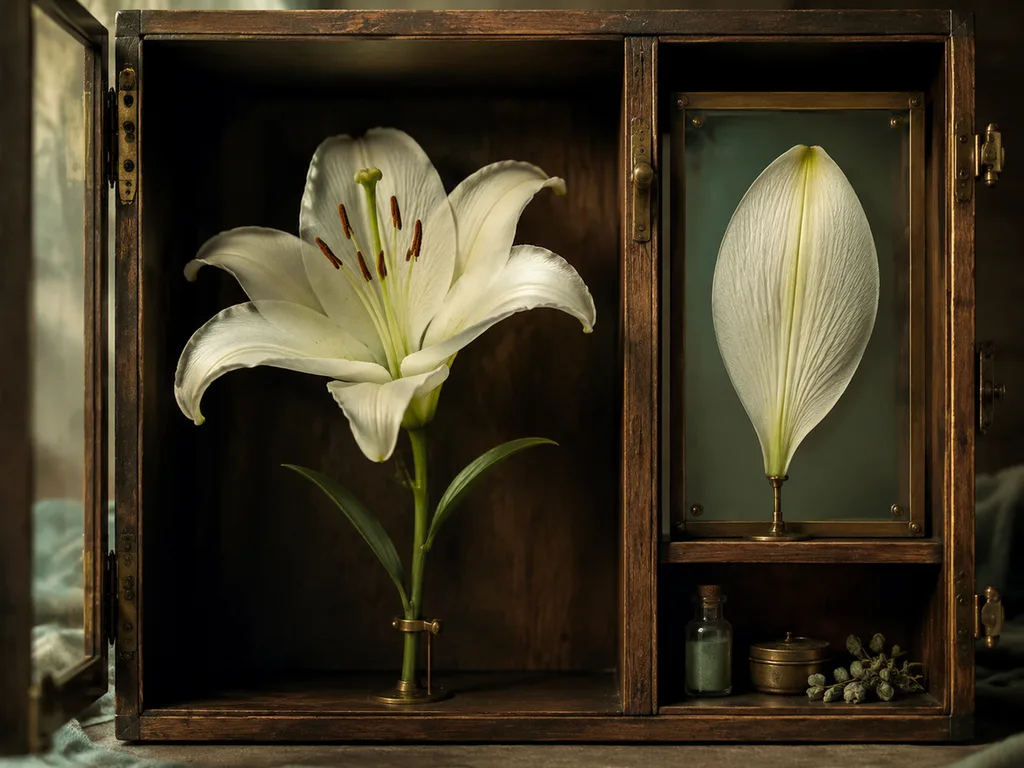
A large cutaway animal cell with its organelles arranged realistically, each
organelle shown once with a short functional caption beside it in a small grid
around the cell. Label "NUCLEUS", "MITOCHONDRION", "ROUGH ER", "GOLGI",
"LYSOSOME". Title: "THE ANIMAL CELL".
| Tema | Organelos de célula animal (biologia) |
| Modelo | grok-imagine-image-2.0, gerado em glmimage.app |
| Rótulos | NÚCLEO, MITOCÔNDRIA, RETÍCULO ENDOPLASMÁTICO RUGOSO, GOLGI, LISOSSOMO |
| Funcionou bem | Cinco rótulos todos renderizados corretamente; organelos em posições plausíveis |
| Verificar antes de usar | O retículo endoplasmático rugoso deve ficar perto do núcleo; confira se a grade de legendas não anexou uma legenda ao organelo errado |
<think>The user wants me to translate an article fragment about creating scientific illustrations with AI into Portuguese. I need to:
- Keep all markdown syntax intact
- Keep URLs, image paths, and HTML tags exactly as-is
- Keep code blocks untranslated (but the blockquote-like content with the stratovolcano description is in a code fence - I should keep it untranslated)
- Keep "GLMImage" untranslated
- Use natural, fluent Portuguese
- Output only the translated markdown
Let me translate the text carefully. The code block contains the prompt, which should remain in English (it's code/instruction). Actually, looking again - the rules say "Keep code blocks and inline code untranslated (translate only comments inside them when trivially safe)." So the code block stays as-is.
Let me translate the prose:
Step 3: Generate, then read the result like a reviewer
"Gerar e, antes de admirá-lo, interrogá-lo..."
Let me work through this carefully and produce fluent Portuguese.</think>
Etapa 3: Gerar e, em seguida, ler o resultado como um revisor
Gere a imagem e, antes de admirá-la, interroque-a: todos os rótulos estão presentes? Grafados corretamente? Apontando para a estrutura certa? Há algo anatomicamente espelhado ou inventado?
Um exemplo de geociência, do prompt ao resultado:
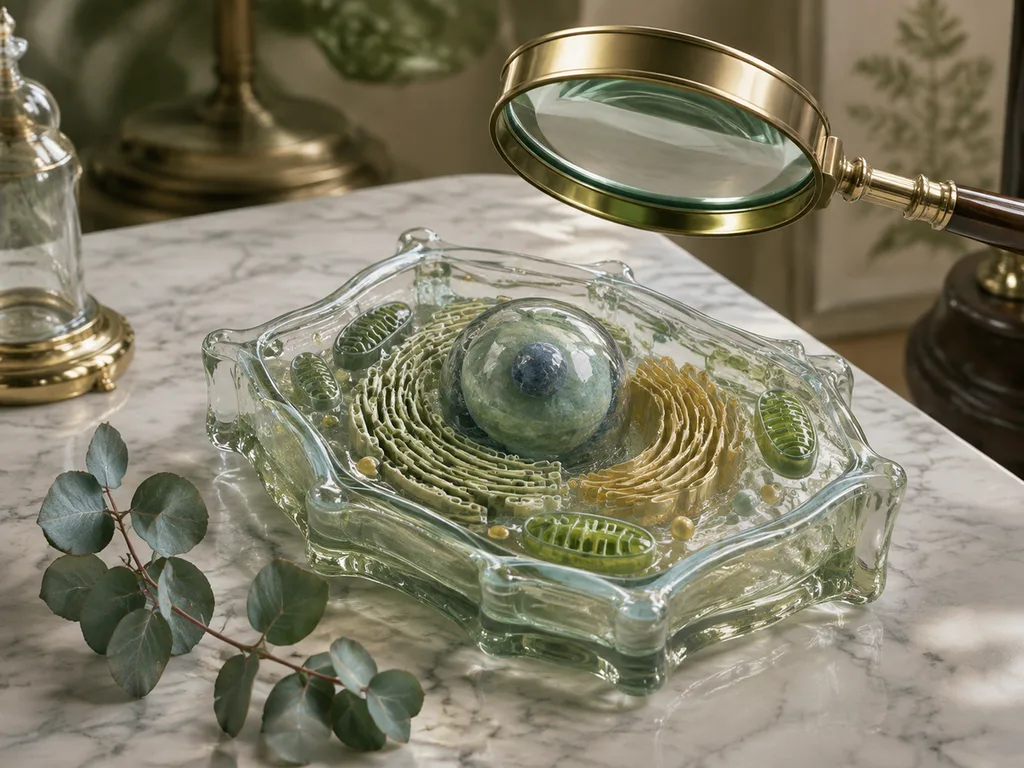
A stratovolcano cutaway from crater to magma chamber: layered lava and ash
strata, central conduit, branching dike and horizontal sill, and convection
swirls within the chamber, eruption column above. Label "CRATER", "CONDUIT",
"DIKE", "SILL", "MAGMA CHAMBER". Title: "ANATOMY OF A VOLCANO".
| Assunto | Estrutura interna de um estratovulcão (geociências) |
| Modelo | grok-imagine-image-2.0, gerado em glmimage.app |
| Rótulos | CRATER, CONDUIT, DIKE, SILL, MAGMA CHAMBER |
| O que funcionou bem | A distinção entre dique e soleira saiu corretamente (o dique corta as camadas transversalmente, a soleira se dispõe entre elas) |
| Verificar antes de usar | Conferir a orientação do dique/soleira em relação às camadas; confirmar que a coluna de erupção corresponde à geometria do conduto |
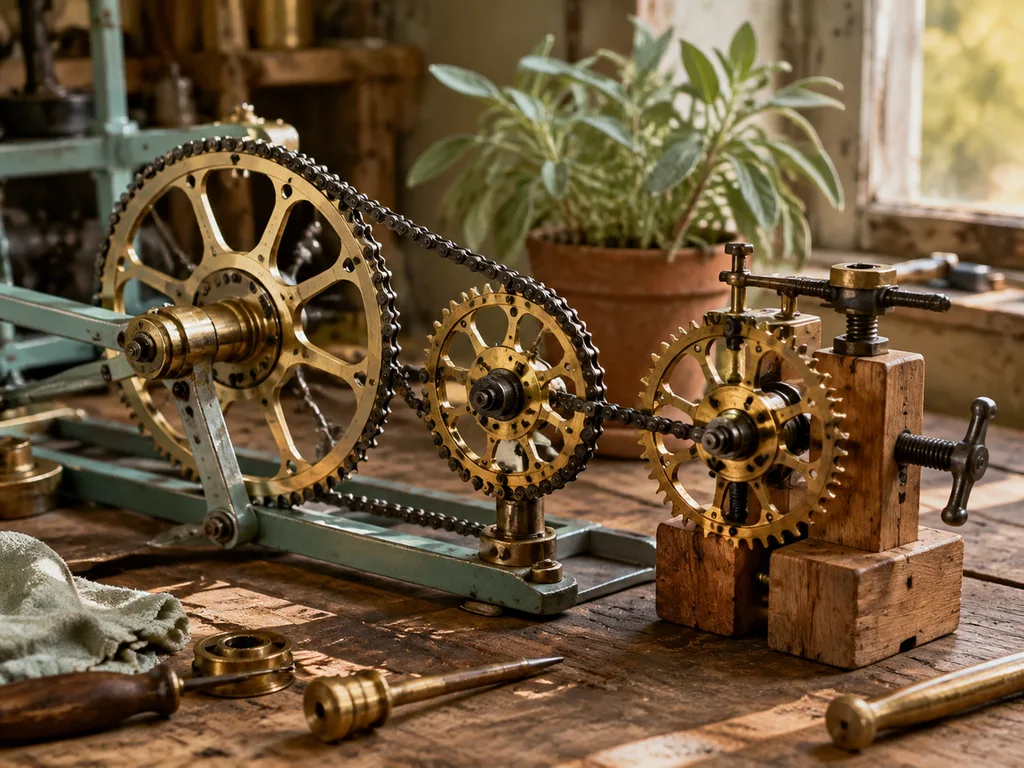
Quando algo sai errado, corrija no próprio prompt, pelo nome: "a soleira deve ser horizontal, entre duas camadas estratificadas" é mais eficiente do que rolar de novo e torcer. Uma correção direcionada por regeneração preserva as partes que já estavam boas. Para um assunto mecânico, aplica-se o mesmo ciclo — esta figura do sistema de transmissão de uma bicicleta precisou ter o detalhe da razão de marcha especificado de forma explícita para evitar uma colagem de engrenagens decorativa, porém sem sentido:
<think>The user wants me to translate this article fragment from English to Portuguese. It's a fragment about verifying AI-generated scientific illustrations. Let me translate it carefully while maintaining all markdown syntax, URLs, and technical terms.
Key things to preserve:
- The heading "Step 4: Verify against your reference before using it"
- All markdown formatting (checklists, bold, etc.)
- All URLs and image paths
- The brand "GLMImage"
- Technical terms should be natural in Portuguese
Let me translate it:
"Step 4: Verify against your reference before using it" → "Etapa 4: Verifique com sua referência antes de usar"
"Scientific review checklist" → "Lista de verificação para revisão científica"
Let me translate the whole thing carefully.</think>
Etapa 4: Verifique com sua referência antes de usar
A saída da IA é um rascunho até que um humano a revise. Esta é a etapa que separa uma ilustração científica utilizável de uma aparentemente plausível, porém incorreta.
A imagem abaixo mostra como a verificação funciona na prática: dois cortes transversais de coração gerados por IA lado a lado, o defeituoso anotado com seus erros reais — câmaras espelhadas e um vaso sanguíneo fora do lugar.
Passe cada resultado por esta lista de verificação:
Lista de verificação para revisão científica
- [ ] Todas as legendas estão escritas corretamente?
- [ ] Todas as estruturas solicitadas estão presentes?
- [ ] As posições e proporções são razoáveis em relação à sua referência?
- [ ] As setas ou fluxos apontam na direção correta?
- [ ] As etapas estão mostradas na ordem correta?
- [ ] Foi verificado em uma fonte confiável?
Se algum item falhar, corrija por meio do ciclo de prompts na Etapa 3 ou conserte manualmente em um editor vetorial — e indique isso abertamente. Para uso em sala de aula, uma observação como "rascunho gerado por IA, verificado por humano" é honesta e cada vez mais esperada; para publicação ou comunicação científica pública, trate o rascunho da IA como o esboço subjacente e finalize-o adequadamente. Nosso guia de desenho científico aborda o caminho do acabamento manual com mais detalhes.
<think>The user wants me to translate an article fragment from English to Portuguese. It's about using templates/prompts for generating illustrations across different subjects (botanical, anatomical, etc.). I need to keep all markdown syntax, URLs, code blocks, and the brand name "GLMImage" intact. Let me translate it naturally into Portuguese.</think>
Um único prompt para cobrir dezenas de assuntos
Como o modelo é baseado em slots, você pode redirecioná-lo sem reescrevê-lo. Pegue o prompt do girassol e troque apenas a linha do assunto:
rose flower dissection— pétalas, estames, pistilo, receptáculohibiscus flower anatomy— estigma, estilete, ovário, coluna de estamesdaisy flower head— flores liguladas, flores tubulosas, brácteas involucraislotus flower cross-section— fruto com sementes, receptáculo, nós das pétalas
Mesma estrutura, novo vocabulário vindo da Etapa 1, mesma verificação da Etapa 4. Esse é o método inteiro — e é por isso que ele escala entre disciplinas sem que você precise aprender a desenhar cada uma. O guia de ilustração botânica e o guia de ilustração animal aplicam-no aos seus respectivos reinos; o guia de ilustração médica e anatômica aplica-o onde as exigências — e o nível de verificação — são mais altos.
<think>The user wants me to translate an article fragment from English to Portuguese. The fragment is about "Five mistakes that ruin scientific illustrations." I need to:
- Translate it completely into natural, fluent Portuguese
- Keep all markdown syntax intact
- Keep URLs, image paths, and HTML tags as-is
- Keep code blocks untranslated
- Keep "GLMImage" untranslated
- Use native, fluent expression
- Output only the translated markdown
Let me translate this carefully:
- "Five mistakes that ruin scientific illustrations" → "Cinco erros que arruínam ilustrações científicas"
- "Describing a vibe instead of a figure" → "Descrever uma vibe em vez de uma figura"
- "Beautiful science art of a cell" gets you wallpaper → "Arte científica bonita de uma célula" só te dá papel de parede
- Panels, views and labels get you a figure → Painéis, vistas e legendas te dão uma figura
- Too many labels → Rótulos demais
- Beyond six, spelling errors multiply and leader lines tangle → Mais de seis, os erros ortográficos se multiplicam e as linhas indicadoras se embolam
- Trusting the first correct-looking output → Confiar na primeira saída que parece correta
- Mirrored anatomy and invented structures are plausible — that is exactly why Step 4 exists → Anatomia espelhada e estruturas inventadas são plausíveis — e é exatamente por isso que o Passo 4 existe
- Letting the model invent the vocabulary → Deixar o modelo inventar o vocabulário
- If the prompt does not fix the terms, the model will label the mitochondrion "powerhouse" — or something worse → Se o prompt não fixa os termos, o modelo vai rotular a mitocôndria como "usina de energia" — ou algo pior
- Skipping the audience slot → Pular a etapa do público-alvo
- A plate for a 7th-grade classroom wants bolder labels and fewer insets than a plate for a journal figure → Uma prancha para uma sala de aula do 7º ano quer rótulos mais destacados e menos inserções do que uma prancha para uma figura de periódico
- Style follows audience → O estilo segue o público
Let me refine these for naturalness:
"vibe" is an English slang word that's hard to translate. In Portuguese, it could be "clima" or "sensação" or kept as slang. Let me use "sensação" for clarity, or "vibe" since it's becoming commonly used in Brazilian Portuguese slang.
Actually, looking more carefully at the context, "vibe" here is used somewhat colloquially. Let me use "sensação" or keep "vibe" as it's commonly understood in modern Portuguese.
Let me go with "sensação" for a more formal feel, though the original has a casual tone. I'll keep some of that casual tone.
Actually, the original mixes casual and formal language. Let me match that register.
Let me finalize:
Cinco erros que arruínam ilustrações científicas
- Descrever uma sensação em vez de uma figura. "Arte científica bonita de uma célula" só te dá papel de parede. Painéis, vistas e legendas te dão uma figura.
- Rótulos demais. Acima de seis, os erros ortográficos se multiplicam e as linhas indicadoras se embolam.
- Confiar na primeira saída que parece correta. Anatomia espelhada e estruturas inventadas são plausíveis — e é exatamente por isso que o Passo 4 existe.
- Deixar o modelo inventar o vocabulário. Se o prompt não fixa os termos, o modelo vai rotular a mitocôndria como "usina de energia" — ou algo pior.
- Pular a etapa do público-alvo. Uma prancha para uma sala de aula do 7º ano pede rótulos mais destacados e menos inserções do que uma prancha para uma figura de periódico. O estilo segue o público.
Hmm, let me reconsider some terms:
- "leader lines" - linhas de chamada or linhas indicadoras. In Portuguese scientific context, "linhas de chamada" is more common.
- "plate" - prancha or prancha ilustrativa. In scientific context, "prancha" is correct.
- "panels" - painéis is fine
- "insets" - inserções or detalhes. In scientific illustrations, "insets" are small additional images. "Inserções" is fine.
Let me also reconsider "vibe" - in modern Brazilian Portuguese, "vibe" is widely used and understood, especially in informal contexts. Since this is an informal blog post, keeping "vibe" might work, but "atmosfera" or "sensação" would be more universal. Let me use "vibe" since it's part of the casual register.
Actually, I'll use "clima" or "sensação" to make it more accessible in Portuguese:
"Descrever um clima em vez de uma figura" - this works better.
Or I could keep "vibe" since it's now commonly used in Portuguese.
Let me go with "vibe" since it preserves the casual tone and is widely understood.
Final version:
Cinco erros que arruínam ilustrações científicas
- Descrever uma vibe em vez de uma figura. "Arte científica bonita de uma célula" só te dá papel de parede. Painéis, vistas e legendas te dão uma figura.
- Rótulos demais. Acima de seis, os erros ortográficos se multiplicam e as linhas de chamada se embolam.
- Confiar na primeira saída que parece correta. Anatomia espelhada e estruturas inventadas são plausíveis — e é exatamente por isso que o Passo 4 existe.
- Deixar o modelo inventar o vocabulário. Se o prompt não fixa os termos, o modelo vai rotular a mitocôndria como "usina de energia" — ou algo pior.
- Pular a etapa do público-alvo. Uma prancha para uma sala de aula do 7º ano pede rótulos mais destacados e menos inserções do que uma prancha para uma figura de periódico. O estilo segue o público.
This looks good. Let me double-check the markdown syntax - headings, bold, italic, numbered list, and punctuation are all preserved.</think>
Cinco erros que arruínam ilustrações científicas
- Descrever uma vibe em vez de uma figura. "Arte científica bonita de uma célula" só te dá papel de parede. Painéis, vistas e legendas te dão uma figura.
- Rótulos demais. Acima de seis, os erros ortográficos se multiplicam e as linhas de chamada se embolam.
- Confiar na primeira saída que parece correta. Anatomia espelhada e estruturas inventadas são plausíveis — e é exatamente por isso que o Passo 4 existe.
- Deixar o modelo inventar o vocabulário. Se o prompt não fixa os termos, o modelo vai rotular a mitocôndria como "usina de energia" — ou algo pior.
- Pular a etapa do público-alvo. Uma prancha para uma sala de aula do 7º ano pede rótulos mais destacados e menos inserções do que uma prancha para uma figura de periódico. O estilo segue o público.
<think>The user wants me to translate an FAQ section from English to Portuguese, keeping all markdown syntax intact, URLs unchanged, the brand name "GLMImage" untranslated, and maintaining natural fluent Portuguese.
Let me translate each section:
Can I use AI scientific illustrations in teaching materials?
Posso usar ilustrações científicas de IA em materiais didáticos?
Yes, as drafts or as verified figures — with the checklist above run honestly, and ideally with a disclosure. For graded exams or published curricula, verify every label personally; models occasionally produce confident, plausible, wrong anatomy.
Sim, como rascunhos ou como figuras verificadas — com a lista de verificação acima aplicada de forma honesta e, idealmente, com uma declaração de divulgação. Para provas com nota ou currículos publicados, verifique cada rótulo pessoalmente; os modelos ocasionalmente produzem anatomia confiante, plausível e errada.
How accurate are the labels, really?
Quão precisos são os rótulos, na verdade?
Text rendering in current models is good for short, quoted, all-caps labels in English — that is exactly why the template enforces them. Accuracy of what the labels point to is a separate question and only Step 4 answers it. Never conflate the two.
A renderização de texto nos modelos atuais é boa para rótulos curtos, em maiúsculas, entre aspas, em inglês — é exatamente por isso que o modelo os impõe. A precisão do que os rótulos apontam é uma questão separada, e somente o Passo 4 responde a isso. Nunca confunda as duas coisas.
Which disciplines work best?
Quais disciplinas funcionam melhor?
Discrete structures with stable vocabulary work best: cells, organs, organisms, cutaways of machines and geological features. Highly quantitative figures (exact graphs, precise circuits) still need real tools — see our comparison in what is scientific illustration.
Estruturas discretas com vocabulário estável funcionam melhor: células, órgãos, organismos, vistas em corte de máquinas e formações geológicas. Figuras altamente quantitativas (gráficos exatos, circuitos precisos) ainda precisam de ferramentas reais — veja nossa comparação em what is scientific illustration.
Do I own the output?
Eu sou dono do resultado?
Generation on glmimage.app follows the site's standard content terms; scientific claims in the image are your responsibility either way. Attribute honestly when the science matters.
A geração no glmimage.app segue os termos padrão de conteúdo do site; afirmações científicas na imagem são sua responsabilidade de qualquer forma. Atribua honestamente quando a ciência importa.
Let me review and refine for natural Portuguese fluency:
- "graded exams" → "provas com nota" or "avaliações com nota" - I'll use "provas com nota"
- "disclosure" → "declaração de divulgação" or "divulgação" - I'll use "divulgação"
- "Text rendering" → "Renderização de texto"
- "cutaways" → "vistas em corte" or "cortes" - "vistas em corte" sounds more technical
- "Highly quantitative figures" → "Figuras altamente quantitativas"
- "Attribute honestly" → "Atribua honestamente"
The URLs should stay unchanged. Let me finalize.</think>
FAQ
Posso usar ilustrações científicas de IA em materiais didáticos?
Sim, como rascunhos ou como figuras verificadas — com a lista de verificação acima aplicada de forma honesta e, idealmente, com uma divulgação. Para provas com nota ou currículos publicados, verifique cada rótulo pessoalmente; os modelos ocasionalmente produzem uma anatomia confiante, plausível e errada.
Quão precisos são os rótulos, na prática?
A renderização de texto nos modelos atuais é boa para rótulos curtos, entre aspas, em letras maiúsculas e em inglês — é exatamente por isso que o template os exige. A precisão do que os rótulos apontam é uma questão separada, e somente o Passo 4 responde a isso. Nunca confunda as duas coisas.
Quais disciplinas funcionam melhor?
Estruturas discretas com vocabulário estável funcionam melhor: células, órgãos, organismos, vistas em corte de máquinas e formações geológicas. Figuras altamente quantitativas (gráficos exatos, circuitos precisos) ainda exigem ferramentas reais — veja nossa comparação em what is scientific illustration.
Eu sou dono do resultado?
A geração no glmimage.app segue os termos padrão de conteúdo do site; as afirmações científicas presentes na imagem são sua responsabilidade em qualquer caso. Atribua a autoria de forma honesta quando a ciência importa.
<think>The user wants me to translate an article fragment into natural, fluent Portuguese. Let me translate it while keeping all markdown syntax, URLs, and the brand name "GLMImage" intact.</think>
Comece um agora
Escolha um assunto do qual você realmente precisa, liste suas categorias a partir de uma referência e execute o modelo. A página de ilustração científica tem predefinições específicas para cada uma das nove áreas — anatomia, botânica, biologia celular, engenharia, astronomia e as demais — então os campos de estilo e vocabulário já vêm preenchidos.