Face and Expression
Portrait
Focus on one original character from head through shoulders or upper torso with readable expression, coherent hair and a quiet background.
- Expression first
- Complete hair and shoulders
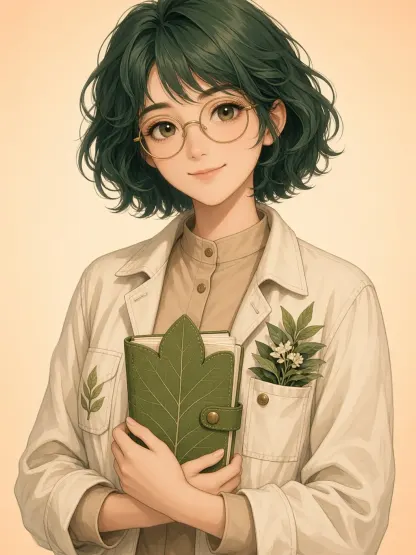
Create from Text · Original Character Workflow
Design an original anime-style character from a written brief. Control the role, silhouette, outfit, expression, pose and visual genre across six focused styles.
The anime character maker creates one new illustration from text. It is intended for original-character exploration: a quiet courier with a practical satchel, a weathered fantasy archivist, a young sci-fi pilot in unbranded flight gear or a friendly mascot with a simple silhouette. It is not a library of existing anime characters and should not be used to copy a named franchise, living artist or protected design. Each generation stands on its own; exact identity across multiple separate images is not guaranteed.
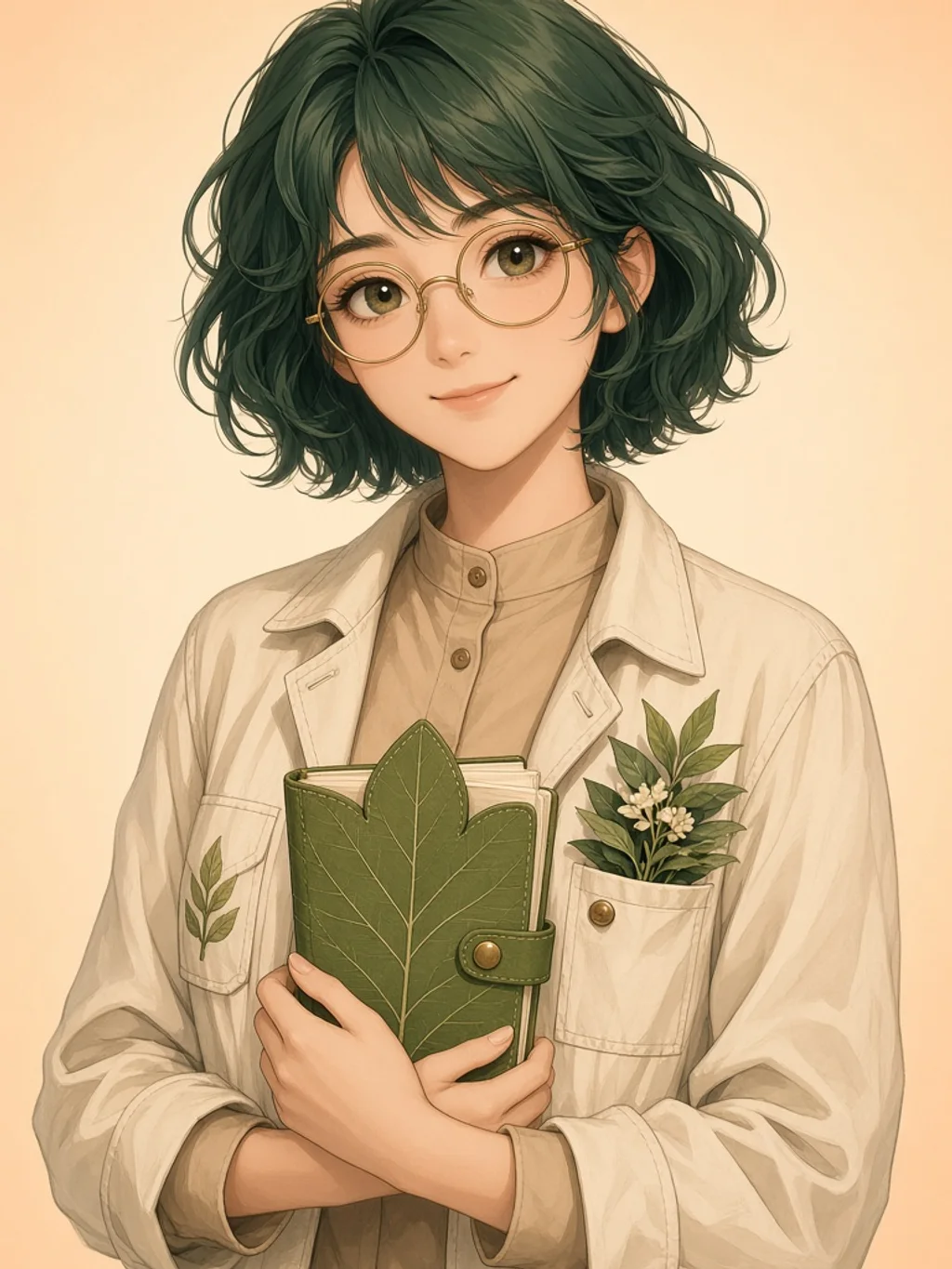
Face and Expression
Focus on one original character from head through shoulders or upper torso with readable expression, coherent hair and a quiet background.
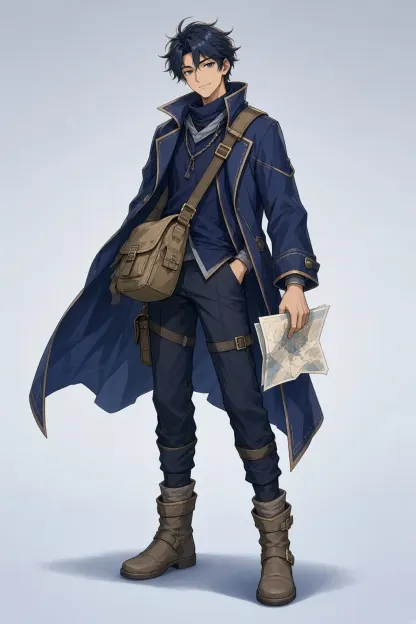
Silhouette and Costume
Show exactly one character from the top of the hair through both shoes with a readable pose and complete outfit construction.
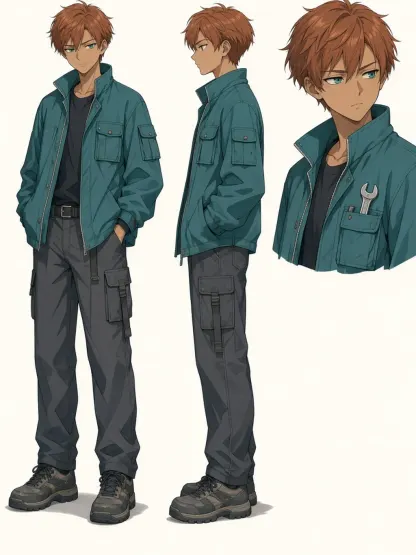
Single Canvas
Explore several views of one design on one clean canvas while checking face, hair, palette and signature accessories for drift.
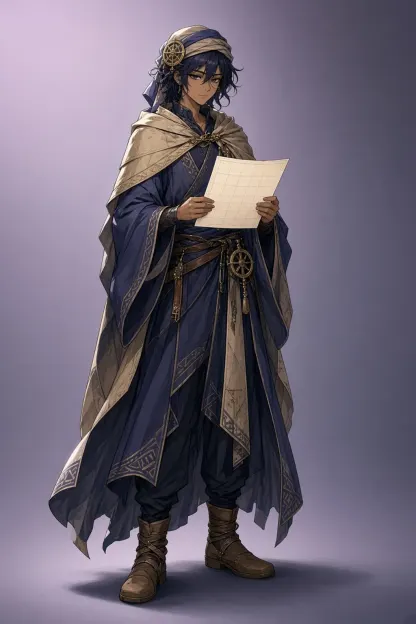
Original Fantasy
Build a non-franchise mage from coherent materials, culture, layered costume and one functional magical or scholarly accessory.
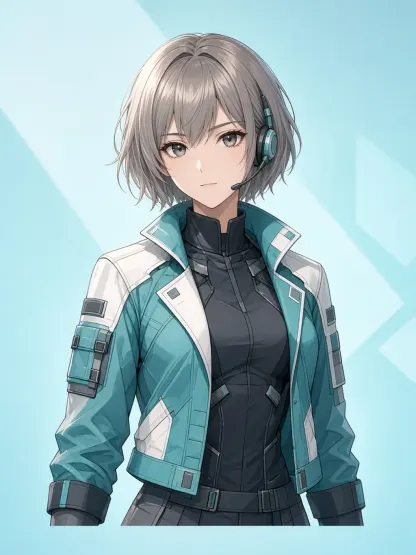
Original Science Fiction
Use unbranded flight gear, restrained interface motifs, clean cel shading and a confident expression without copying a named universe.
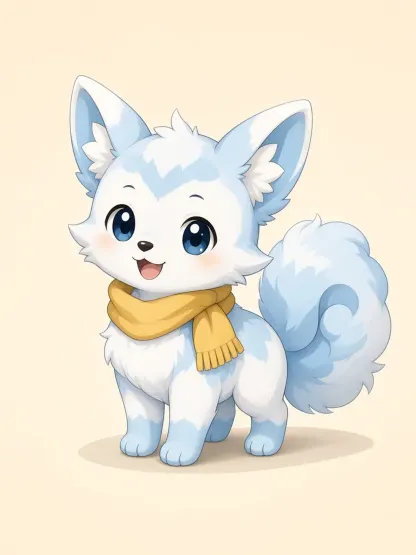
Simple Recognition
Design one friendly creature with a distinctive simple silhouette, coherent anatomy and one small unbranded accessory.
Made with GLMImage
Explore first-party portraits, full-body characters, single-canvas sheets, fantasy mages, sci-fi pilots and mascots assigned to this workflow.
Focused workflow
Pick portrait, full body, sheet, fantasy, sci-fi or mascot according to whether you need expression, silhouette, views or genre cues.
Define role, motivation, signature silhouette, face, outfit materials, one readable pose and a few original features.
Review anatomy, hands, eyes, complete extremities, costume construction, symbols, text and resemblance to existing characters.
Save the prompt and selected image, write a decision brief and reconstruct or edit the design when consistency or commercial production matters.
Practical starting points
Use these as structures, not magic phrases. Replace the subject, purpose and constraints with details from your own project.
An original adult anime mountain courier, lean practical build, asymmetrical weatherproof jacket in rust and slate blue, crescent-shaped map satchel, short silver forelock, alert but kind expression, balanced full-body standing pose holding a folded route map, both hands and shoes complete, clean modern cel shading, simple highland background, no logos or franchise symbols
Connects role, silhouette, functional clothing, expression, pose and visual treatment.
An original adult fantasy archive mage, calm scholarly presence, layered indigo and parchment robes designed for movement, brass indexing tool at the belt, one floating geometric light used for reading, three-quarter character illustration, complete hands, restrained luminous accents, clean anime key-visual finish, no copied runes or named universe
Uses a functional role and original material vocabulary instead of a franchise reference.
An original adult sci-fi rescue pilot, compact orange and charcoal unbranded flight suit, practical helmet clipped at the hip, short dark curls, focused expression, confident portrait from head through upper torso, controlled interface glow in the background, crisp cel shading, no readable logos, military insignia or existing character resemblance
Specifies an original profession and excludes the symbols most likely to create accidental IP.
A memorable character begins with a role, motivation and readable silhouette. Before listing hair colors and accessories, decide what the character does and what the viewer should understand in one second. A mountain courier needs clothing and equipment that support travel; a workshop mechanic needs practical tools and protected hands; a ceremonial mage needs a coherent material and cultural vocabulary. Role gives every visual detail a reason.
Then define two or three signature features rather than a pile of unrelated traits. An asymmetrical jacket, crescent-shaped satchel and silver forelock can create stronger recognition than ten accessories. Describe the broad body language and emotional temperature as well: guarded but curious, energetic and impatient, calm under pressure. The anime character maker can translate those cues into pose, expression and shape language when the brief is not overloaded.
Keep the character original. Do not ask for a copy of a named protagonist, studio property, game skin or living artist’s signature style. If a reference inspires you, extract general principles—limited cel shading, angular silhouette, soft pastoral palette—then combine them with your own role, costume logic and story context.
Prompts are easier to follow when they move from large decisions to small ones. State the framing first: portrait, three-quarter, complete full body or a single-canvas character sheet. Then describe age range, build and silhouette without using a real person’s identity. Add face shape, hair construction and one readable expression. After that, explain outfit layers, material, color blocks and functional accessories.
A pose should communicate the role while remaining anatomically achievable. Ask for a balanced standing pose with one hand holding a map, a seated repair pose with tools on the floor, or a controlled running step with both shoes visible. Avoid combining several actions in one frame. Hands, eyes and extremities are common failure points, so wide margins and a simple background give the model room to complete them.
Finish with the visual treatment: clean modern cel shading, soft storybook anime, restrained sci-fi interface motifs or a compact mascot finish. The style preset supplies focused instructions, but the written brief still determines the specific character. If the generated outfit contains impossible straps, floating accessories or contradictory materials, simplify and regenerate.
Portrait mode is best when expression, face and hair are the main decision. It keeps the composition focused from head through shoulders or upper torso. Full-body mode is better for costume, proportion and silhouette, but it needs explicit instructions to show the character from hair to both complete shoes. Leave space around every extremity so the frame does not crop a hand, weapon, ear or tail.
The character-sheet preset places several views of one design on a single canvas. It can help explore front, side or expression variations within one generated image, but it is not a production turnaround with measured orthographic accuracy. Inspect whether face, costume colors and signature accessories remain coherent between views. Rebuild a selected design in an illustration workflow before using it for animation or model production.
Fantasy mage and sci-fi pilot provide genre-specific material cues without invoking a named universe. Mascot mode prioritizes a simple, friendly silhouette and restrained detail. These presets are starting structures, not separate guarantees of quality. The strongest result still comes from an original role and a prompt that resolves contradictions before generation.
Inspect the face at normal size and zoomed in. Check whether both eyes follow the intended perspective, whether the mouth and ears align, and whether hair strands connect plausibly. Then review hands, fingers, feet, joints and any object being held. A compelling costume does not rescue broken anatomy. Regenerate or edit problems rather than hiding them with a crop if the final use requires a complete design.
Look for internal logic. Straps should attach to something, armor plates should allow movement, tools should be graspable and repeated emblems should stay consistent. Remove meaningless text, accidental logos and symbols that resemble real organizations. If the output looks too close to an existing character, identify which combination creates the resemblance and change silhouette, palette, hair, costume or role before sharing it.
The page creates visual concepts, not proof of ownership or uniqueness. Search relevant character and trademark spaces for a serious commercial project, keep your prompt and revision trail, and document the human changes that turn the initial concept into a production design.
Save the exact prompt, style, aspect ratio and selected image. Write down what works: silhouette, color balance, expression, garment construction and story cues. Also list unresolved issues. This written brief is more useful than a folder of unexplained variations because it tells an illustrator which decisions are intentional and which are artifacts of generation.
For another view, reuse the same core description and change only framing or pose. Expect drift. Independent generations may alter the face, pattern, accessory count or proportions even when the prompt is identical. If exact consistency matters, use the generated image as a reference in an authorized image workflow or have an artist create a controlled model sheet. Do not advertise cross-image identity as proven when it has not passed a dedicated test.
A team can use early concepts for internal story development, mood boards, tabletop characters or prototype visuals. Public marketing, games, publishing and merchandise require a stronger review: originality, audience suitability, model consistency, accessibility, rights and technical production needs.
Avoid prompts that sexualize minors or ambiguous young characters, depict hateful stereotypes, or imitate a real person without authority. State an adult age when an adult character is intended and keep costuming appropriate to the context. Review cultural clothing and symbols for accuracy and respect instead of combining them as decoration without meaning.
A generic genre is not owned by one studio, but specific character designs, logos, named worlds and distinctive combinations may be protected. Build from original story functions and broad techniques, not from instructions to reproduce a recognizable property. The same caution applies to artist names: describe line quality, palette and rendering behavior rather than requesting a living artist’s signature style.
Commercial use depends on the service terms, the rights in any input, the final design’s similarity to third-party work and local law. Keep provenance and editing records. For a significant release, ask qualified legal and creative reviewers to assess the final reconstructed character rather than relying on the generator output alone.
It creates one original anime-style illustration from a text brief. You can choose portrait, full-body, single-canvas sheet, fantasy mage, sci-fi pilot or mascot directions.
Yes. Select Full Body and request exactly one character from hair through both complete shoes with wide margins around hands, clothing and accessories.
It asks for several views of one design on a single canvas. It is useful for exploration but is not a measured production turnaround or consistency guarantee.
Yes. Portrait mode can create an original head-and-shoulders or upper-torso image. Avoid using a real person’s identity without authorization.
No. Inspect anatomy, finger count, eye alignment, joints and held objects. Regenerate or edit any defect before using the design.
Independent text generations can drift in face, outfit, colors and accessories. Exact recurring identity needs a separately tested reference or production workflow.
The prompt may not leave enough space for the requested framing. State full body, complete hair, both hands and both shoes, then request generous margins and a simple background.
No uniqueness guarantee is possible. Review for resemblance, search relevant character spaces and add substantial human design work for an important commercial project.
Include role, adult age where relevant, build, silhouette, face, hair, expression, outfit layers and materials, palette, one pose, framing, background and exclusions.
Give the role a visual consequence and choose two or three signature features. Functional details and a coherent story create stronger identity than many random accessories.
Keep the successful role, palette and silhouette, then change one issue such as pose, hand visibility, accessory count or background. Controlled changes are easier to evaluate.
Use it as concept input only. A production model sheet needs controlled proportions, verified multiple views, expressions, colors and details rebuilt by an appropriate workflow or artist.
Do not request a copy of a named character, studio property, game skin or distinctive protected design. Create an original role and visual system instead.
Describe broad visual characteristics such as clean cel shading, angular linework or a muted palette rather than asking for a living artist’s signature style.
Avoid sexualized minors, hateful stereotypes, unauthorized real-person likenesses and demeaning cultural combinations. Review the final image for audience suitability.
Commercial use depends on the service terms, inputs, similarity to third-party work and local law. Keep provenance and human-edit records and review a material release.
Choose a format, define the role and silhouette, and generate a character concept you can review and develop.
Create an anime character