<!--heroUrl https://img.glmimage.app/uploads/blog/ecommerce-requirements-hero-1789653101920.webp-->
A listing that fails Amazon product image requirements does not get a warning email — it gets suppressed from search, or its buy box quietly rots while competitors absorb the traffic. The main image must sit on a pure white background with the product filling at least 85% of the frame, no text, no logos, no props. That single rule rejects more listings than every other image policy combined. This guide covers the exact specs for Amazon, eBay, Walmart, Rakuten, Etsy and Temu, the rejection reasons sellers hit most often, and a workflow — studio shoot or AI-generated — that produces compliant images for every platform at once.
Key Takeaways
- Amazon's main image needs a pure white background (RGB 255,255,255), the product filling ≥85% of the frame, and no added text or graphics. Additional images may show lifestyle and detail views.
- To activate zoom, the longest side of every Amazon image should be at least 1000px; 1600px or more is the safe working size.
- eBay and Walmart follow Amazon's no-text instinct but differ in edge clearance and background rules — Walmart wants a pure-white hero with at least 2.5% edge clearance.
- Rakuten Japan allows text on images but caps it at roughly 20% coverage and forbids borders.
- Etsy and Temu are the lenient end: authentic photos and clean backgrounds matter more than hard pixel policies.
- One square 1024×1024 (or larger) master image with a white-background variant covers every platform in this guide.
What Amazon Product Image Requirements Cover
Amazon product image requirements split into three layers: technical specs (file format, size, zoom threshold), main-image content rules (the strict ones), and additional-image guidance (where lifestyle shots live).
The technical floor: JPEG is the preferred format, TIFF and PNG accepted, files up to 10MB. An image needs at least 1000px on its longest side for zoom to activate — a listing without zoom converts measurably worse because buyers cannot inspect texture and stitching. Images below 500px on the longest side are rejected outright at upload.
The content rules apply hardest to the MAIN image — slot one of your listing. Category style guides can layer stricter variants (apparel has its own model-format rules, for example), so the numbers here are the baseline, not the ceiling.
Amazon Main Image Rules: The Make-or-Break Specs

The main image is the only one most shoppers see in search results, so Amazon polices it aggressively:
| Rule | Spec |
|---|---|
| Background | Pure white — RGB 255, 255, 255 |
| Product fill | ≥85% of the frame |
| Added content | No text, logos, watermarks, badges, or graphics |
| Props | None — the product only (or product on/inside itself if sold that way) |
| Format | Professional photograph or photorealistic render, full product in frame |
| Zoom size | ≥1000px longest side (1600px+ recommended) |
The 85% fill rule trips sellers who leave generous margins for aesthetics. Crop tight: the white frame border Amazon adds itself provides the breathing room, your file should not.
Amazon Additional Images: Where You Can Sell
Slots two through nine are your persuasion space. Lifestyle scenes, scale references, detail close-ups, exploded diagrams, and infographics with text are all allowed here — with two guardrails: the image must accurately represent the product, and any text must be readable and truthful. Amazon's image standards prohibit variant mismatches (a black watch shown in a lifestyle shot for a silver SKU listing will draw a complaint).
A working pattern for the additional set: image 2 shows scale (product in a hand or next to a common object), image 3 is a detail macro, images 4–5 show use context, image 6 is a spec card if the category tolerates it.
eBay Picture Policy Requirements
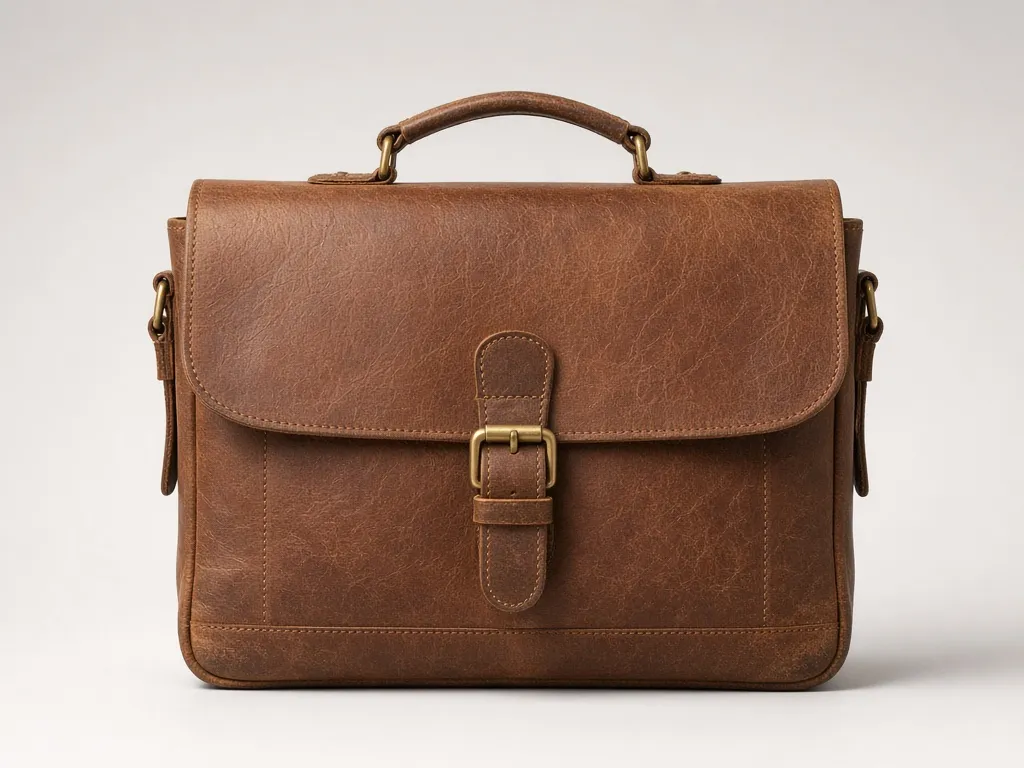
eBay's picture policy is shorter than Amazon's but enforcement is real. The platform requires at least one image (recommendation: 6–12), JPEG/PNG/GIF up to 7MB, and at least 500px on the longest side with 1600px recommended. The content rules mirror Amazon's hero logic: no borders, no watermarks or stock-photo logos, no added text on the primary image. eBay explicitly forbids showing a different item than the one listed.
The practical difference from Amazon: eBay does not demand pure white on the primary image — a clean, uncluttered background passes. But since you will shoot or generate a white-background master anyway for Amazon, reuse it here and lose nothing.
Walmart Marketplace Image Guidelines
Walmart's marketplace guidelines take Amazon's main-image doctrine and add a spacing rule: the hero image must have a pure white background, no copy or watermarks, and the product must occupy most of the frame with at least 2.5% edge clearance — meaning the product should nearly touch, but never cross, a safety margin inside the frame edge. Additional images allow lifestyle and detail content; 2000×2000px is the recommended master size for zoom quality.
Sellers moving catalogs from Amazon to Walmart usually fail on the edge-clearance rule: an Amazon-compliant tight crop with the product bleeding to the pixel edge needs re-framing before Walmart upload.
Rakuten Image Rules: The 20% Text Ceiling
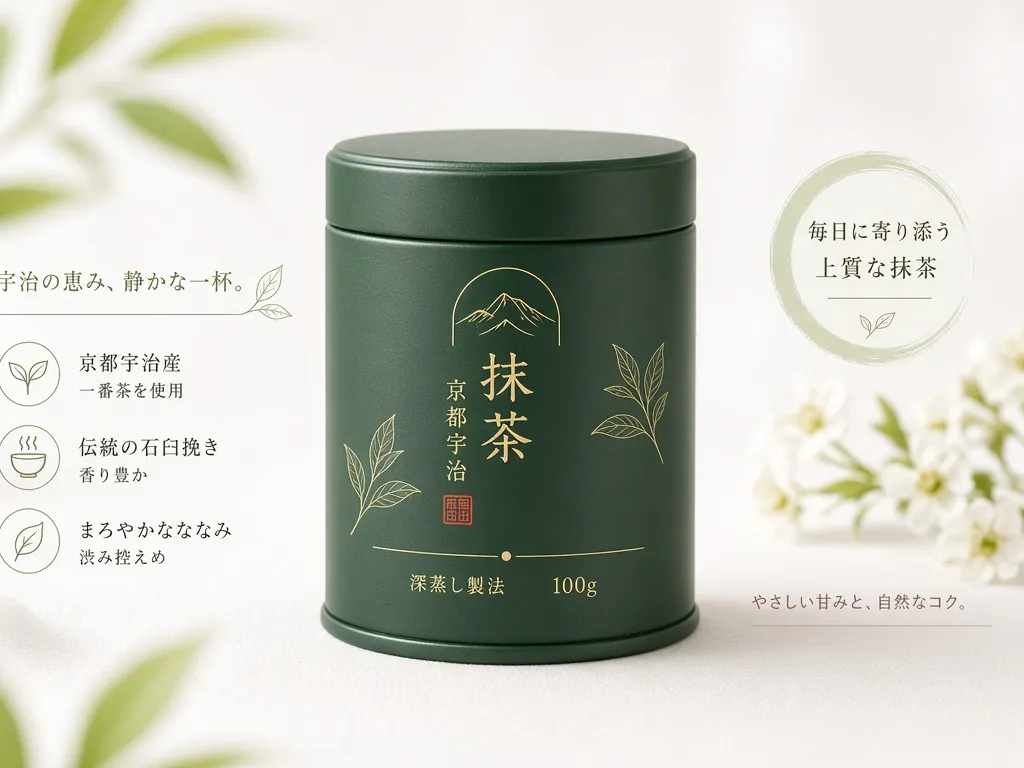
Rakuten — the marketplace that matters most for Japan — inverts the Western no-text instinct. Merchants are expected to build image cards that read like mini detail pages, and Rakuten's guidance caps text coverage at roughly 20% of the image area, forbids decorative borders, and asks for a white or photographic background on the main product image. Standard catalog images are square (1024×1024 works; Rakuten's own gold-plan guidance uses 1280×1280).
That 20% ceiling is why copy-heavy Amazon infographic images cannot be reused on Rakuten as-is: the text density that reads as informative on Rakuten's grid would exceed the cap if you stack promotion badges the way domestic Japanese listings often do before review.
Etsy and Temu: Where the Rules Loosen
Etsy's image requirements are principle-based: authentic photos of the actual item you will ship, no misleading staging, at least 2000px on the longest side recommended for zoom. Lifestyle and process shots are encouraged — Etsy's audience buys the maker as much as the object. Nothing about white backgrounds.
Temu, despite its reputation for aggressive listing cards, asks merchants for a clean background, a prominent product, and square images; decorative text is tolerated in practice on secondary images, though the safest main-image play is the same white-background master you already built.
Platform Spec Comparison Table
| Platform | Main background | Text on images | Min/recommended size | Shape |
|---|---|---|---|---|
| Amazon | Pure white (255,255,255) | MAIN: none; additional: allowed | 1000px / 1600px+ | Square |
| eBay | Clean, uncluttered | None on primary; no borders/watermarks | 500px / 1600px | Any, square safe |
| Walmart | Pure white | None on hero; ≥2.5% edge clearance | 500px / 2000px | Square |
| Rakuten | White or photographic | ≤~20% coverage; no borders | 640px / 1280px | Square |
| Etsy | Any (authentic) | Allowed | 2000px recommended | Any |
| Temu | Clean | Minimal on main | 1024px | Square |
One master plan falls out of this table: shoot or generate a square 2000×2000 white-background master, a lifestyle set, and a Rakuten variant with restrained text — that inventory covers all six platforms.
Common Rejection Reasons and Fixes
The five failures that account for most image rejections, and what fixes each:
- Main image not pure white. Off-white studio backdrops read as gray at audit. Fix: re-shoot on true white, or replace the background to RGB 255,255,255 in post — AI background removal handles this in seconds now.
- Product under 85% fill. Fix: re-crop tighter; leave the margin to Amazon's frame.
- Text or badges on the main image. Fix: move the information to additional images or the bullet points.
- Zoom not activating. Fix: upscale or re-export at ≥1000px longest side; check that resizing did not resample below the threshold.
- Model/variant mismatch. Fix: one image set per actual variant; never borrow a sibling SKU's photo.
How to Shoot or Generate Compliant Photos
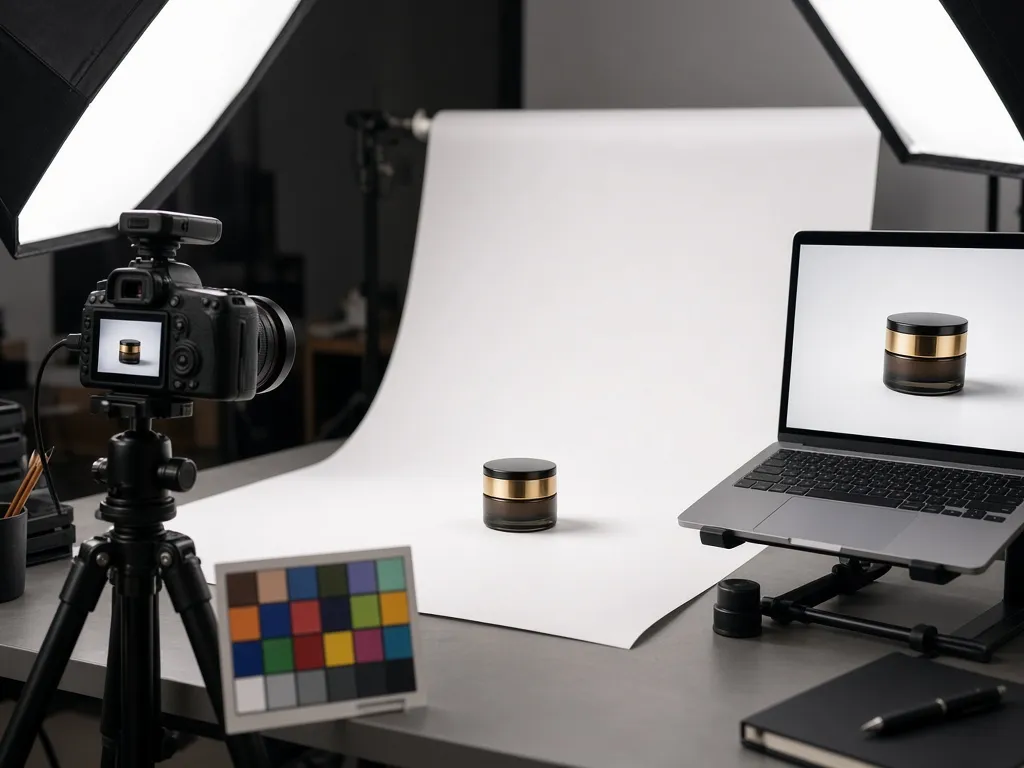
For a studio route: cross-polarize to kill glare on reflective products, shoot on a true-white sweep, and light the background one stop hotter than the key so the backdrop blows out to 255. For catalogs where studio time is the bottleneck — long-tail SKUs, one-off variants — an AI generation route now passes the same bar: photograph the product once on any clean surface, then generate the white-background master and lifestyle sets from that reference, keeping the product locked.
The workflow that works with the E-commerce Studio module:
1. Upload 1–4 photos of the same SKU (front view mandatory)
2. Pick the marketplace: Amazon / eBay / Walmart / Rakuten …
3. Planner proposes 10 cards → select the white-background main
   + scale shot + detail macro + one lifestyle scene
4. Review the generated set against the spec table above
5. Export — ZIP keeps cards in platform order with a manifest
Because the platform preset injects its text-coverage and background rules into every card, you get an Amazon-legal MAIN and a Rakuten-legal text card from the same product reference without re-prompting.
White Background Workflow: The Prompt Block
If you generate images directly, this prompt structure keeps the MAIN image audit-safe (product lock refers to keeping the uploaded product photo as the visual source of truth):
MAIN image, Amazon-compliant:
- pure white background RGB 255,255,255, no gradients
- product fills 85–90% of frame, fully in shot
- no text, no logos, no props, no reflections of props
- studio softbox lighting, accurate color, sharp material detail
- square 1:1, export ≥2000px

LIFESTYLE image:
- product locked to reference photo, same SKU state
- real-scene context (kitchen counter / desk / outfit on model)
- no added marketing text
Resizing and Format Checklist
Before upload, run every file through this list:
- [ ] JPEG (quality 80–90) or PNG; under the platform's size cap
- [ ] Longest side ≥1000px (Amazon zoom), 1600px+ preferred
- [ ] Square crop for marketplace masters
- [ ] sRGB color profile (Adobe RGB shifts color in some viewers)
- [ ] Filename clean — no spaces or special characters
- [ ] White point verified at 255,255,255 where required
Frequently Asked Questions
Does Amazon require a white background on all images?
No — only the MAIN image. Additional images can use lifestyle scenes, detail shots, and infographics with text.
What is the minimum image size for Amazon?
500px on the longest side is the upload floor; 1000px activates zoom; 1600px or more is recommended.
Can I use AI-generated product images on marketplaces?
For the MAIN image, the image must accurately represent the physical product. Generation from your own product photo with product-lock — rather than free-form generation — keeps the listing truthful and the SKU identifiable.
Why did my Walmart image fail when Amazon passed?
Most often the edge-clearance rule: Walmart wants roughly 2.5% margin between product and frame edge, Amazon rewards tight crops. Re-frame, don't just re-upload.
How many images should a listing have?
Amazon allows up to nine (fill them; seven-plus correlates with better conversion), eBay performs well at 6–12, Rakuten listings typically run longer image scrolls.
Sources
- Amazon Seller Central — image requirements (sellercentral.amazon.com/help/hub/reference/G1881)
- Amazon Seller Forums — zoom threshold discussion threads
- eBay picture policy (ebay.com/help/policies/picture-policy)
- Walmart Marketplace image guidelines (marketplacelearn.walmart.com)
- Rakuten RMS merchant guidance (service.rms.rakuten.co.jp/column/detail/26) and listing cautions (rakuten.co.jp/ec/open/attention/)
- Etsy image requirements and best practices (help.etsy.com)
Ready to produce compliant images for every marketplace at once? Try the E-commerce Studio → — upload one product photo, pick the platform, and get a spec-checked image set. For long-tail catalogs, see how AI object removal cleans up product shots before they go to marketplaces.