
GLMImage — the hosted image generator built on Z.ai's open-source GLM-Image model — is a genuine Midjourney alternative for work where text must survive generation (especially Chinese), where you want open weights, or where you need predictable monthly costs. Midjourney still leads on pure artistic aesthetics and community depth. This comparison maps both sides honestly, because an alternative that wins on paper and loses on your actual work is worthless.
One correction up front, since older comparisons get this wrong: Midjourney is not Discord-only anymore. It has had a full web experience with an editor for a while now. Judging it as a 2023 chatbot is how comparisons go wrong.
What makes GLMImage a real Midjourney alternative?

Three things, each concrete rather than aspirational.
In-image text rendering. Midjourney's output routinely garbles Chinese characters and drifts on longer English phrases — text comes out as plausible-looking texture rather than language. GLM-Image treats text as language first: its published score on the CVTG-2K Chinese text-rendering benchmark is 91.16%, and in practice short bilingual phrases, signage, and headlines render reliably. If your deliverable is a poster, menu, packaging mockup, or storefront sign with words in it, this is the single biggest practical difference between the two.
Open weights. GLM-Image is MIT-licensed and self-hostable on a GPU with roughly 12GB of VRAM. You can fold it into your own product, run it privately for client work under NDA, and use the output commercially with no subscription. Midjourney offers nothing equivalent — it is a closed, hosted service, and always has been.
Predictable pricing. GLMImage is credit-based with a published per-image cost; Midjourney meters fast generations in GPU-hours with an unmetered "Relax" mode. Both are legitimate models; credits are simply easier to put in a budget spreadsheet.
Where Midjourney still wins
Pretending otherwise would make this guide useless.
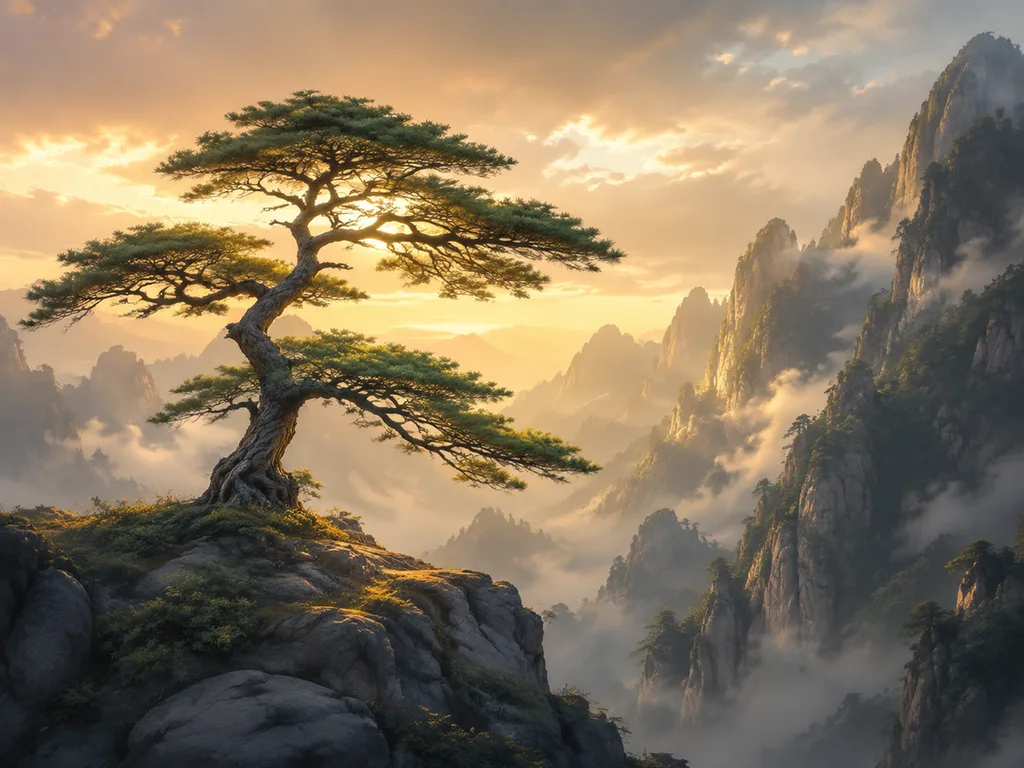
The aesthetic ceiling. Midjourney's signature look — painterly, dramatic, art-directed — remains the industry reference point for stylized imagery. Its defaults are opinionated in the best way: many prompts land beautifully with zero prompt engineering. GLM-Image's character leans controllable and descriptive rather than instantly gorgeous; you earn its best output through specific prompting.
Community and ecosystem. Years of shared prompts, style references, and accumulated technique surround Midjourney. When you are stuck, someone has already solved your problem. GLM-Image's community is far younger and smaller, which matters more than newcomers expect.
Unmetered generation on higher tiers. Midjourney's Standard plan and above include unlimited Relax-mode generations. If you iterate heavily — hundreds of variations per finished image — an unmetered tier can be the better economic fit, plain and simple.
Mature editing features. Midjourney's web editor and style-reference tooling have had more time in the market. GLMImage covers the core loop — text-to-image, image-to-image, bilingual text — without matching that depth yet.
<!--IMG: Split comparison of a Midjourney-style artistic landscape and a GLMImage bilingual event poster-->
Pricing compared, without invented numbers
Midjourney's current subscriptions list at $10 (Basic), $30 (Standard), $60 (Pro), and $120 (Mega) per month, with annual discounts — check Midjourney's pricing page for current figures, as tiers and inclusions change. Basic buys limited fast GPU time; Standard and above add unlimited Relax-mode generation.
GLMImage's plans, verified against the site's pricing page:
| Plan | Monthly cost | Credits | Approx. images | Approx. cost per image |
|---|---|---|---|---|
| Basic | $9.90 | 500 | 50 | $0.20 |
| Pro | $29.90 | 2,000 | 200 | $0.15 |
| Max | $79.90 | 6,000 | 600 | $0.13 |
A generation costs around 10 credits, and a limited number of free daily generations let you evaluate before paying. The mechanics matter for comparison: a credit is a fixed unit you can count, so "this campaign needs 40 finished images, budget 80 generations for retries" is arithmetic rather than a guess. See the pricing page or the full pricing breakdown.
The honest math: there is no across-the-board winner. A heavy iterator on Midjourney's Standard tier using Relax mode effectively pays nothing per extra variation; a team producing 50–600 finished images a month with text in them gets more deliverable value per dollar from GLMImage credits. Compare against your own volume and your own need for fast, predictable output — not against a headline number.
Licensing and commercial use, without the myths
Two claims circulate in older comparisons, and both are wrong:
"Midjourney is Discord-only." False — the web app is the primary experience now. The learning curve that remains is Midjourney's prompting culture, not the plumbing.
"You need a special business arrangement for commercial use." False as stated. Midjourney includes commercial rights for paying subscribers by default; its terms push companies above a certain size toward the Pro and Mega tiers. Read the current Midjourney terms before client work, as with any platform.
On the GLMImage side: paid plans include commercial use of generated images, and the underlying GLM-Image model is MIT-licensed if you self-host — the most permissive arrangement in this comparison by a wide margin.
Migrating your prompts from Midjourney
Midjourney rewards shorthand and parameter flags; GLM-Image rewards descriptive completeness. The same idea, translated:
Midjourney style:
futuristic cyberpunk city, neon, rain --v 6

GLM-Image style:
Cyberpunk cityscape at night, rain-slicked streets reflecting pink and
blue neon signage, towering glass towers, low fog, cinematic wide-angle
composition, photorealistic, sharp focus
What carries over: your instincts for composition, lighting, and mood — those are model-agnostic. What changes: spell out the style, lens, and lighting instead of trusting defaults, and put any in-image text in quotation marks with a placement ("bold sans-serif headline 'GRAND OPENING' centered at top"). The prompt-writing guide covers the full structure, and how to use GLMImage walks the hosted workflow.
The bigger habit shift is iteration. Midjourney's culture is generate-and-reroll, and its unmetered tiers make rerolling free. GLMImage's credit model rewards the opposite discipline: spend your early generations finding a strong base, then stop gambling. When a result is close but wrong in one region, feed it back as an image-to-image reference with "keep everything unchanged, change only X" instead of rerolling from scratch. That loop stretches a credit budget much further than rerolling ever does; treating credits like unlimited GPU hours reproduces your old burn rate, just with a receipt attached.
Two teams, two answers
Make it concrete with two archetypes.
The art director needs a book cover, a mood board, hero imagery for a brand refresh. The deliverable is judged on beauty; there is little or no text inside the frame; the budget already assumes creative tooling. This person should stay with Midjourney — its aesthetic ceiling, its community's accumulated technique, and its unlimited Relax iteration are precisely their workflow. Switching would trade their greatest asset for capabilities they will not use.
The e-commerce lead needs this quarter's campaign in two markets: banners, product labels, storefront signage, promo graphics — all of it carrying short copy, half of it in Chinese. Every deliverable is text-bearing, volume is predictable enough to budget, and legal wants clear commercial terms. This person should switch, or at minimum add GLMImage: their workload is GLM-Image's exact center of gravity, and the bilingual pass they currently finish by hand in a design tool happens inside the generation itself.
Most real people sit between these poles, which is why the honest answer is a mapping rather than a verdict. Locate yourself on the line between them and the decision makes itself.
Should you switch from Midjourney?
Switch, or add GLMImage, if you:
- Produce bilingual or Chinese-text images — this alone justifies it
- Need open weights for privacy, integration, or self-hosting
- Want fixed, predictable monthly image costs
- Deliver commercial work on a budget
Stay with (or keep) Midjourney if you:
- Chase maximum aesthetics in stylized art
- Rely on its community for technique and references
- Iterate in huge volume and exploit unlimited Relax mode
- Already have a fluent, productive Midjourney workflow
Plenty of professional setups run both: Midjourney for hero art, GLMImage for text-bearing deliverables and anything self-hosted. That is not indecision — it is using each tool where it is actually strongest.
Frequently Asked Questions
Is GLMImage cheaper than Midjourney?
Depends on volume. GLMImage runs $9.90–$79.90/month with clear per-image costs ($0.20 down to $0.13). Midjourney runs $10–$120/month with unmetered Relax generation on Standard and above — cheaper for heavy iterators, pricier per fast generation. Do the math on your own monthly volume.
Can GLMImage match Midjourney's artistic quality?
For stylized, painterly showpieces, Midjourney's ceiling is higher out of the box. GLM-Image favors controllable, descriptive output and is stronger wherever text and layout intelligence matter. Test both on your actual project before deciding.
Which one handles Chinese text in images?
GLMImage, decisively. Midjourney typically garbles hanzi; GLM-Image scores 91.16% on the CVTG-2K Chinese text-rendering benchmark and handles Chinese-English layouts in a single image.
Can I self-host GLMImage instead of subscribing?
You can self-host the GLM-Image model — it is MIT-licensed and runs on a GPU with roughly 12GB of VRAM. Midjourney cannot be self-hosted at any price.
Run the decisive test yourself — a prompt with Chinese text in it: generate with GLMImage →











