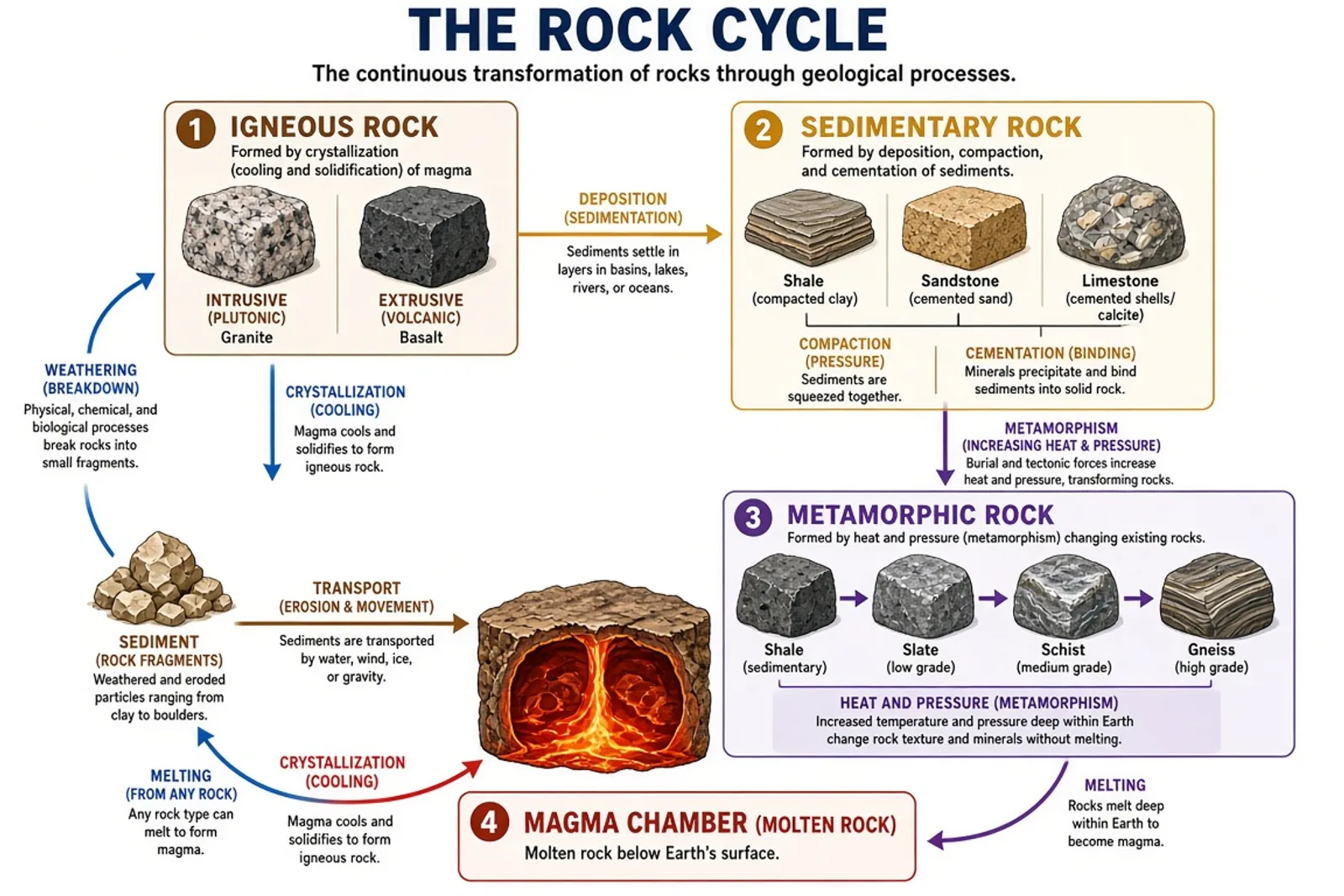
The rock cycle is a network of possible transformations, not one sequence that every rock follows. A readable figure distinguishes rock types from processes and connects each arrow to a defensible change. Decide whether the audience needs a simple three-rock overview or examples such as granite, basalt, sandstone, limestone, slate, marble, or gneiss. Avoid implying that rocks change on one timetable or must pass through every stage. Check process labels, arrow direction, and examples against a geology source before classroom or published use.
Rock Cycle Diagram — AI Generator
Create a rock cycle drawing or textbook diagram that connects the three major rock groups through cooling, weathering, erosion, deposition, lithification, heat and pressure, and melting. Review the network rather than presenting it as one fixed loop.
- Separate rock materials from transformation processes
- Show multiple valid pathways instead of one mandatory loop
- Use examples only when they fit the requested level
- Verify every process label and arrow direction
Prompt
Create a labeled rock cycle diagram showing igneous, sedimentary, and metamorphic rocks as distinct groups. Connect magma or lava to igneous rock through cooling and crystallization; exposed rock to sediment through weathering and erosion; sediment to sedimentary rock through deposition, compaction, and cementation; existing rock to metamorphic rock through heat and pressure; and rock back to magma through melting. Use a network layout with traceable arrows, earth-tone color coding, short labels, and no single mandatory circular path.
Scientific illustration resources
Prompt the subject, then verify the science
Use the matching prompt guide to refine this draft. Before publishing, check every label, structure and relationship against an authoritative source or a qualified subject expert.
Related images
More earth-science entries from the same generator
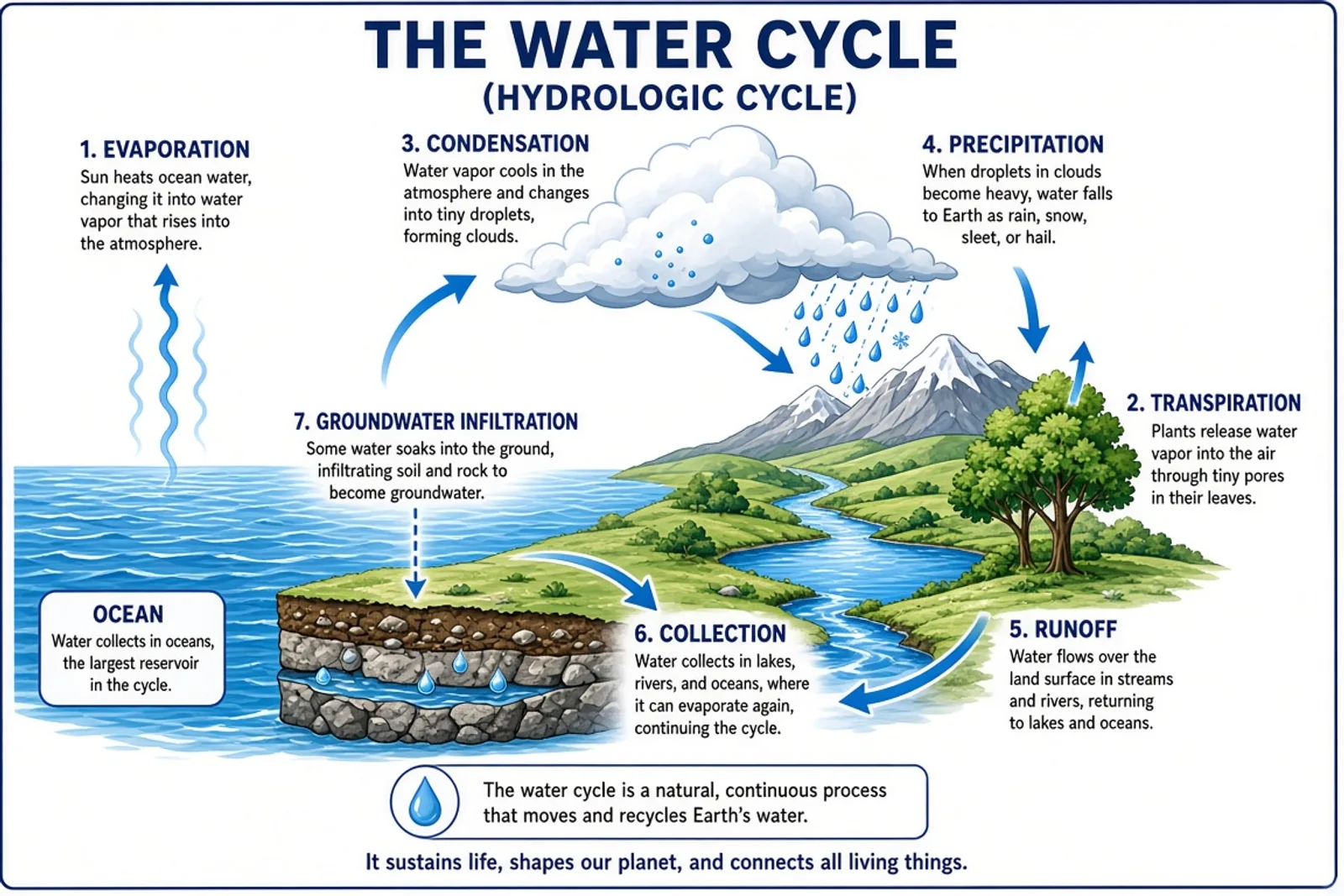 Water Cycle Diagram — AI GeneratorView · earth-science
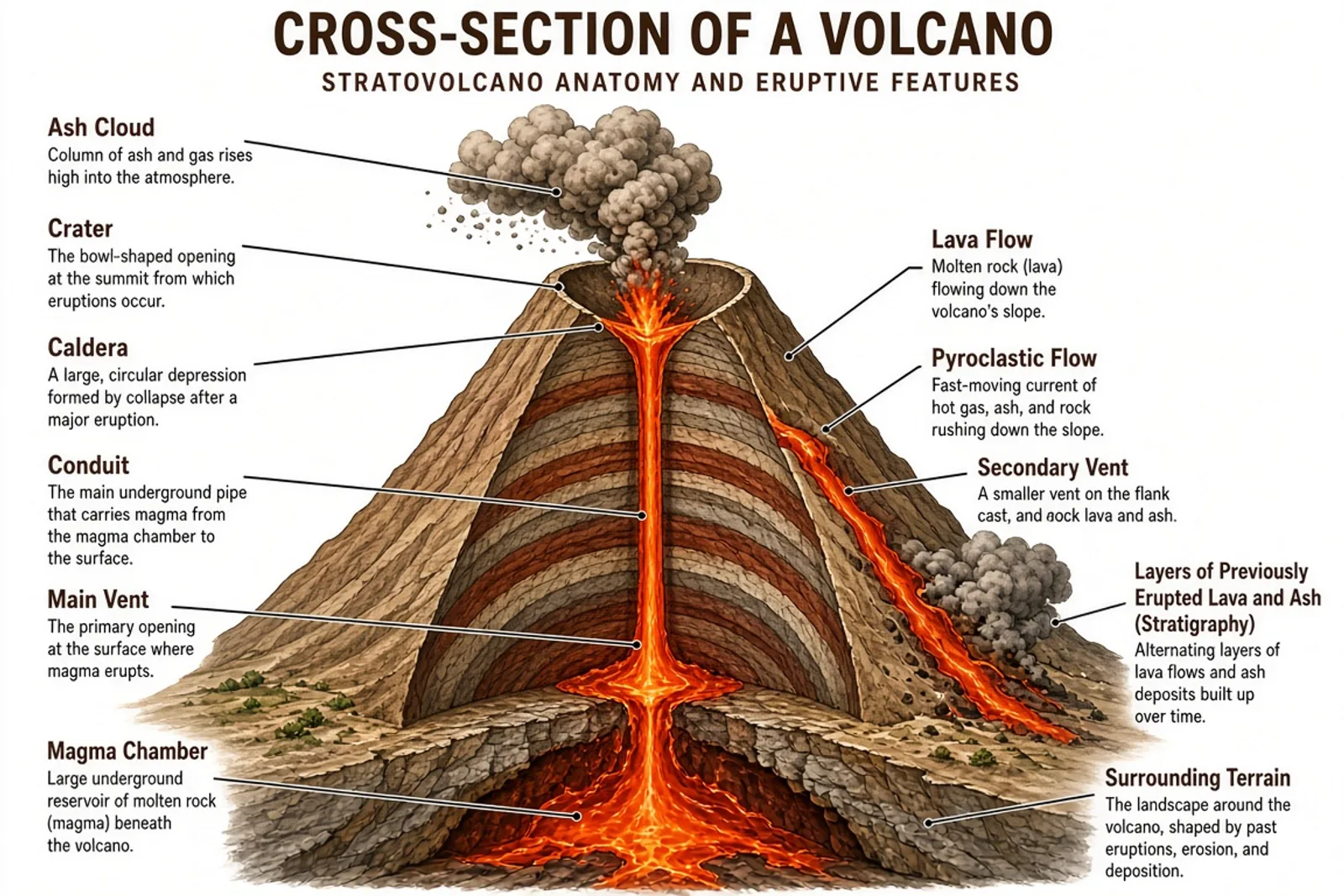 Volcano Diagram — AI GeneratorView · earth-science
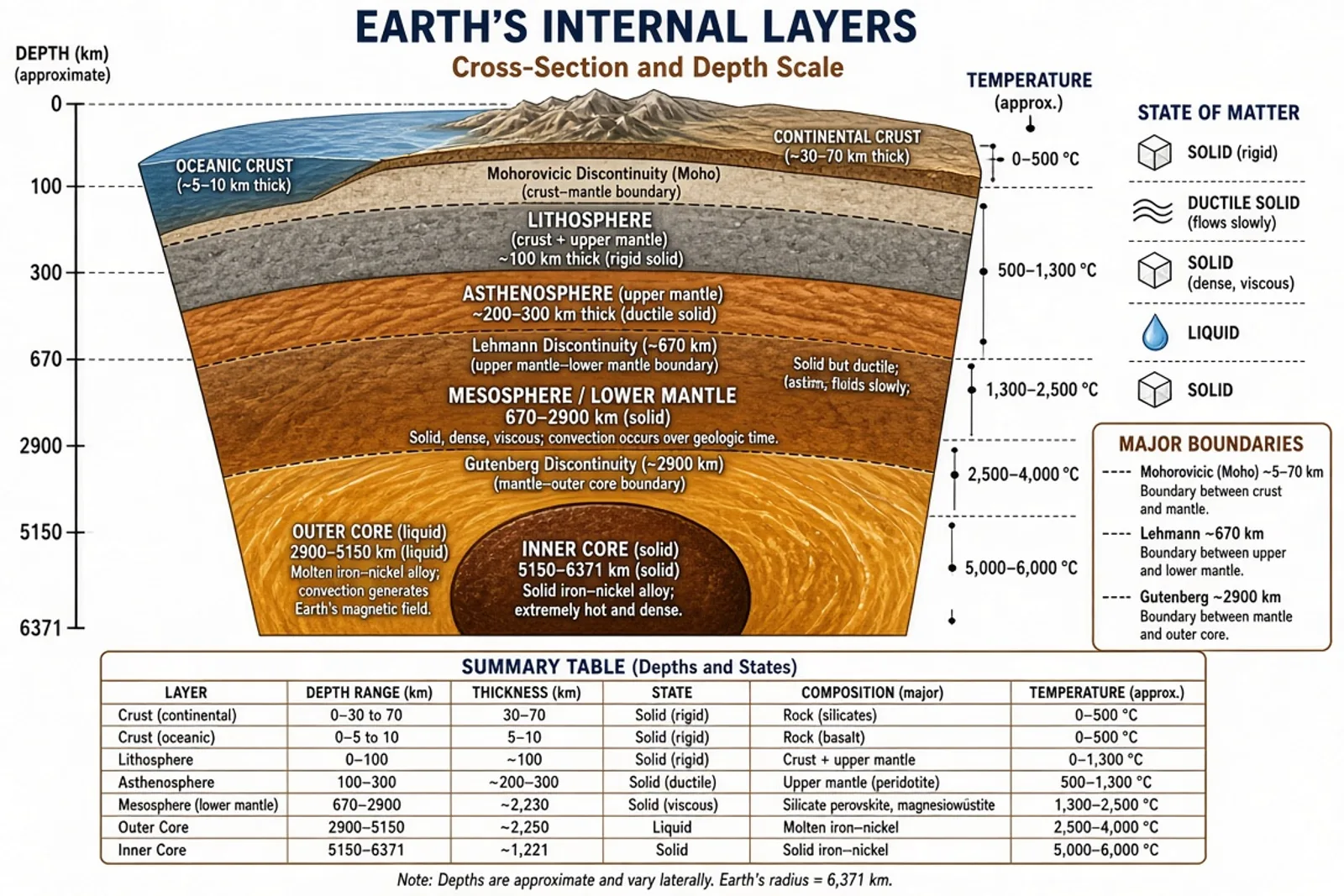 Earth Layers Diagram — AI GeneratorView · earth-science
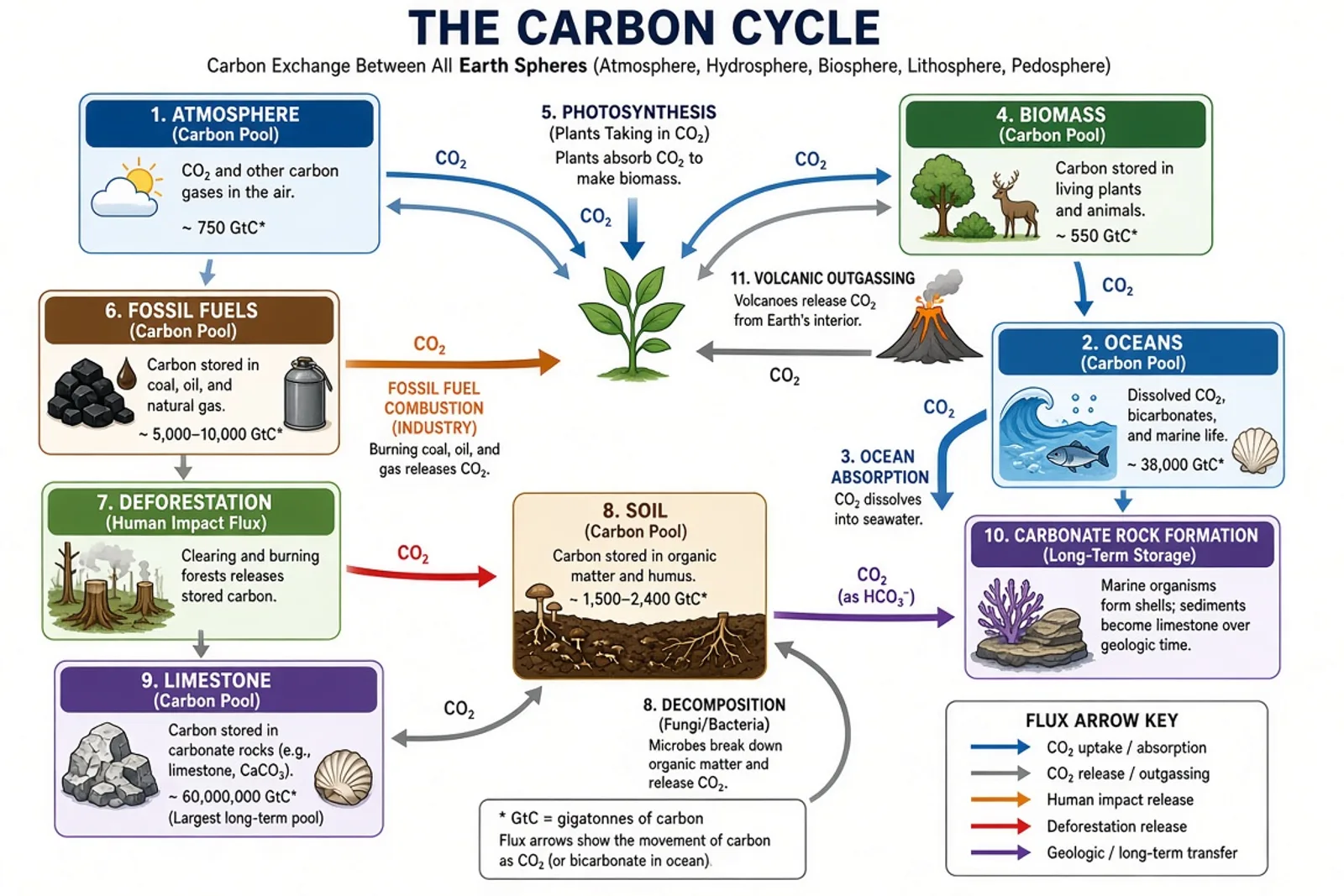 Carbon Cycle Diagram — AI GeneratorView · earth-science
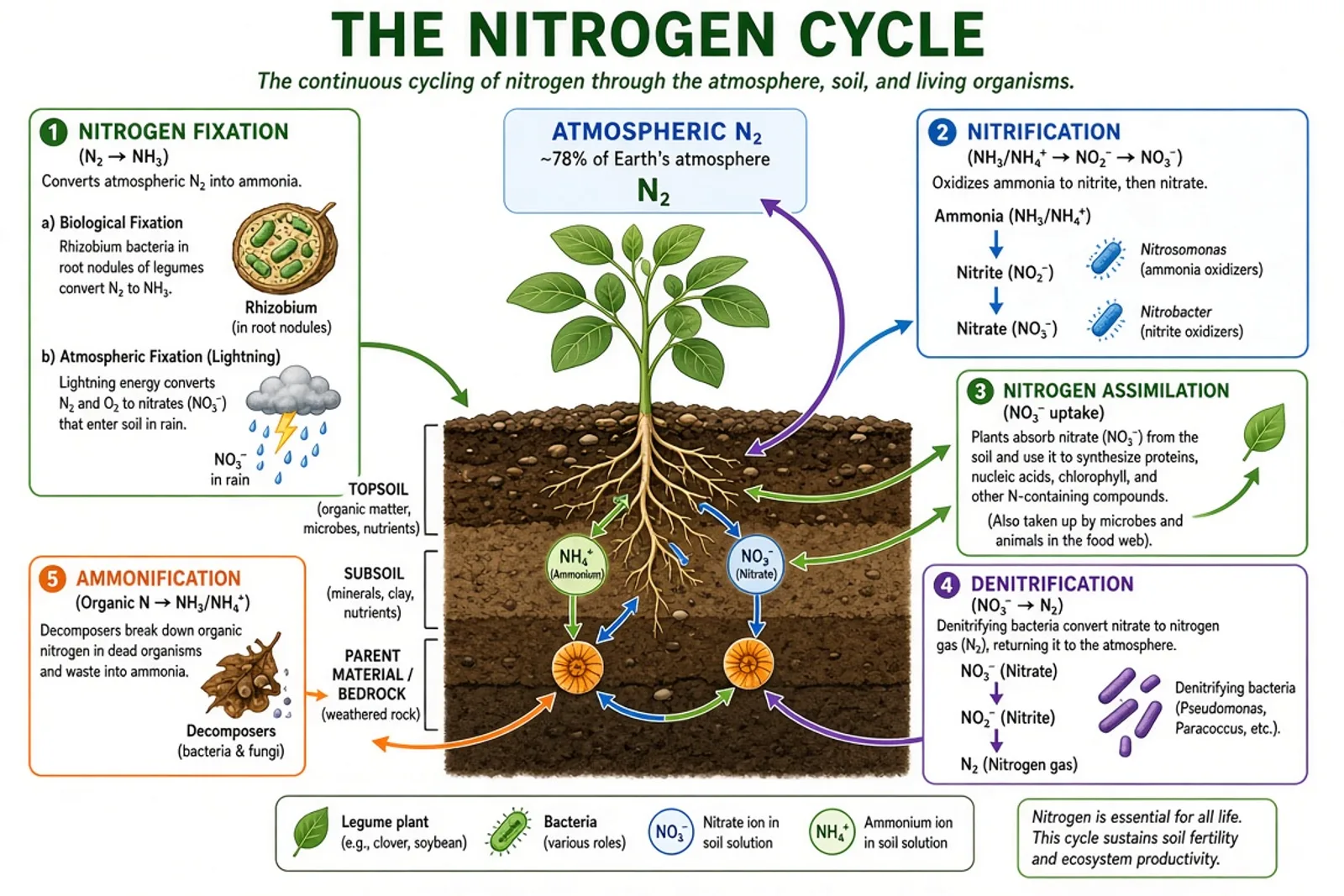 Nitrogen Cycle Diagram — AI GeneratorView · earth-science
Frequently asked questions
What are the main parts of a rock cycle diagram?
The core groups are igneous, sedimentary, and metamorphic rocks. Processes commonly include cooling and crystallization, weathering and erosion, deposition, compaction and cementation, heat and pressure, and melting.
Does every rock follow the same cycle?
No. The rock cycle describes many possible pathways over geological time. A rock can take different routes depending on burial, uplift, heat, pressure, melting, exposure, and transport.
How do I make a simple rock cycle drawing?
Start with the three rock groups, add magma and sediment where appropriate, then connect them with named processes. Keep arrows traceable and avoid adding so many rock examples that the process network disappears.