LIFE SCIENCES
Botany & Plant Anatomy
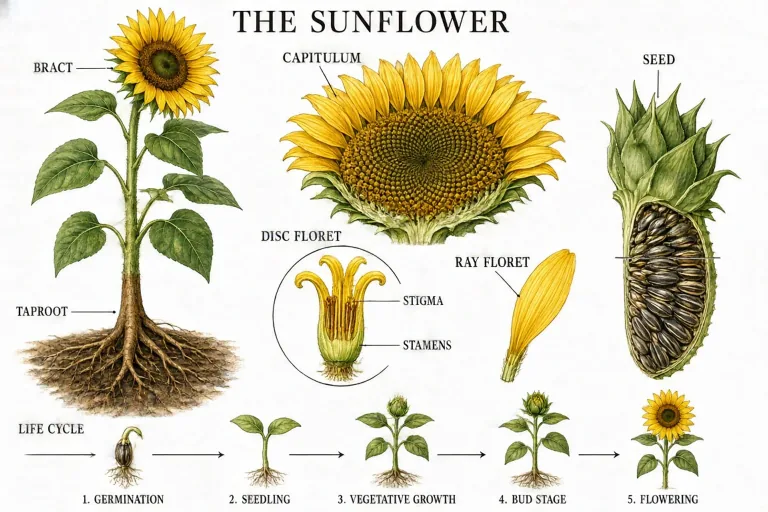
Complete specimens, flower cross-sections, and pollination stages with botanical terminology.
- Specimen plates
- Flower anatomy
Text to Illustration · 9 Scientific Disciplines
Describe a specimen, structure, or process in plain language and create an accuracy-first scientific illustration draft with readable labels and an educational layout — built for reference checking and expert review.

LIFE SCIENCES
Complete specimens, flower cross-sections, and pollination stages with botanical terminology.
LIFE SCIENCES
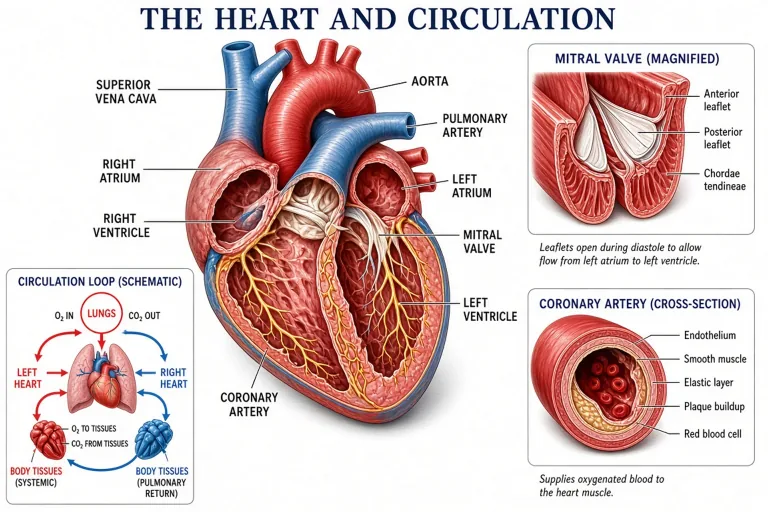
Organ cutaways, tissue layers, and flow direction with standard anatomical labels.
LIFE SCIENCES
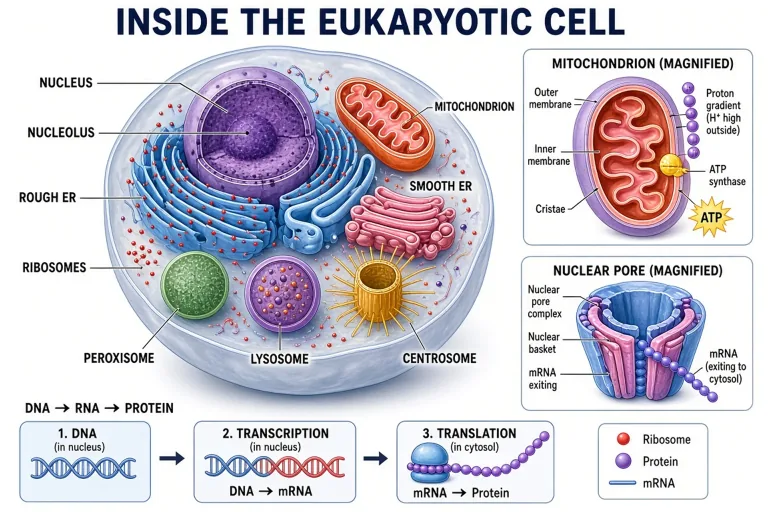
DNA replication, cellular machinery, and molecular pathways with directional cues.
APPLIED SCIENCE
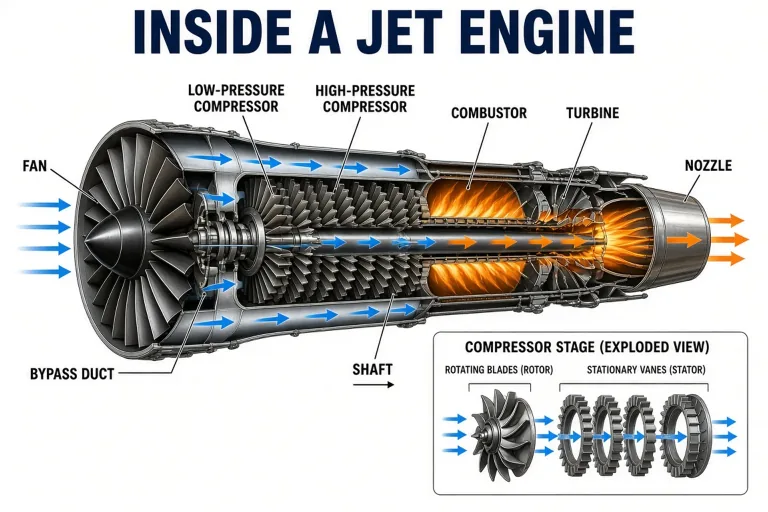
Cutaways of mechanical and electrical systems with connected components and process flow.
PHYSICAL SCIENCES
Orbital geometry, star life cycles, and spacecraft diagrams with correct scale relationships.
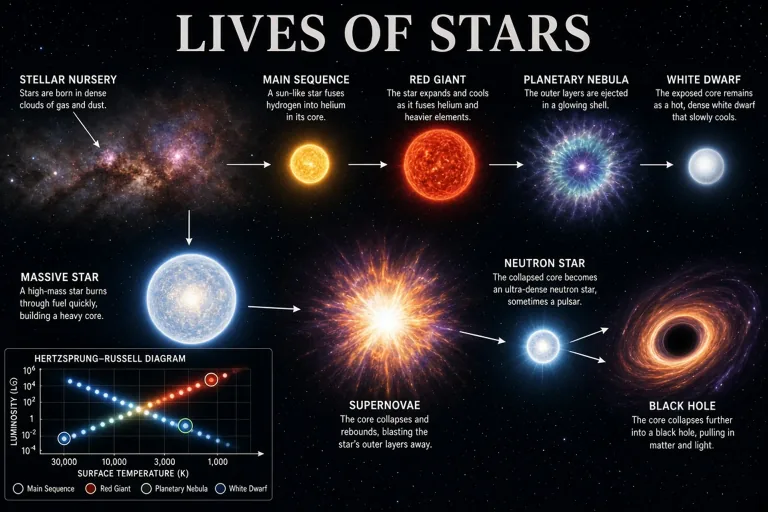
LIFE SCIENCES
Comparative views, diagnostic morphology, and magnified structures for field guides and teaching collections.
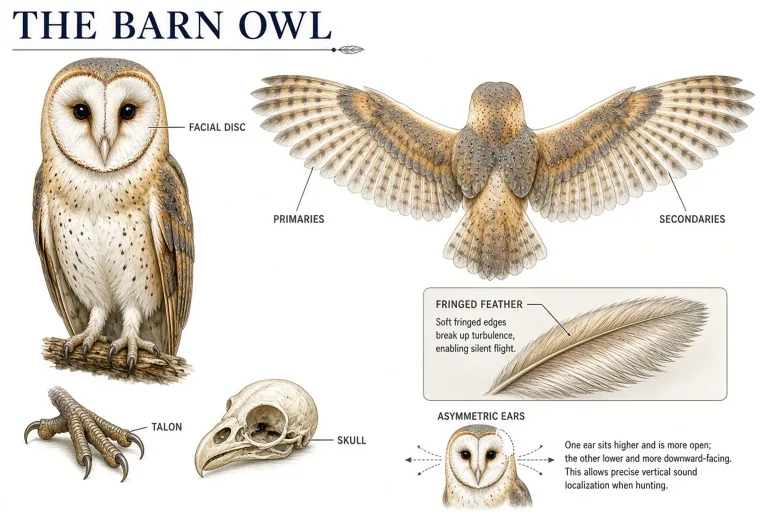
NATURAL SCIENCES
Museum-style specimen plates and evidence-led reconstructions that connect organisms, fossils, and environments.
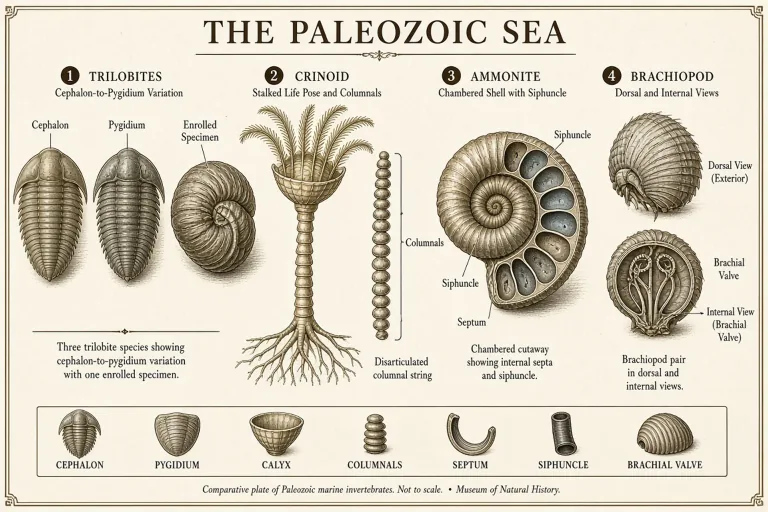
EARTH SCIENCES
Layered geological cross-sections, atmospheric systems, and material cycles with clear process direction.
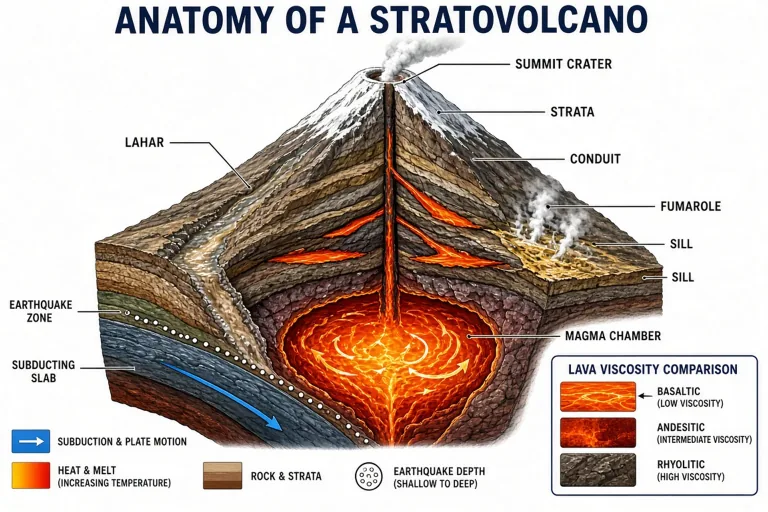
ENVIRONMENTAL SCIENCES
Food webs, habitat layers, and biogeochemical cycles with explicit relationships between organisms and processes.
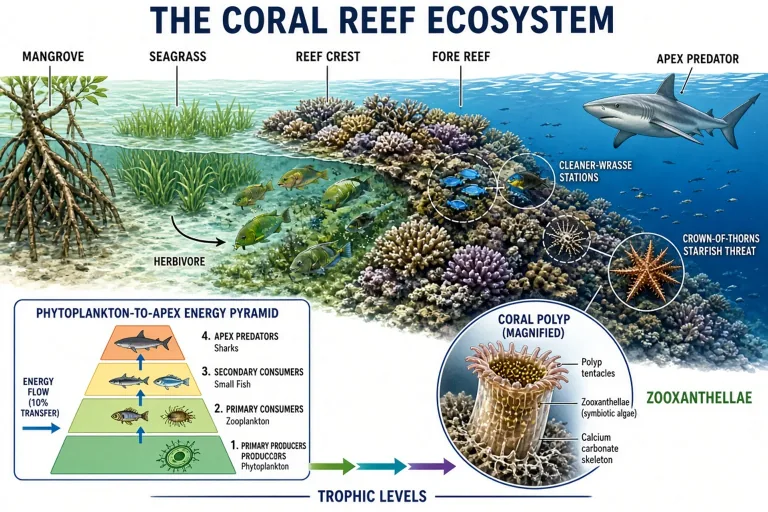
Made with GLMImage
Real results shared by creators who used this exact workflow. Tap any image to view its prompt.
 Human heart blood flow (validation)
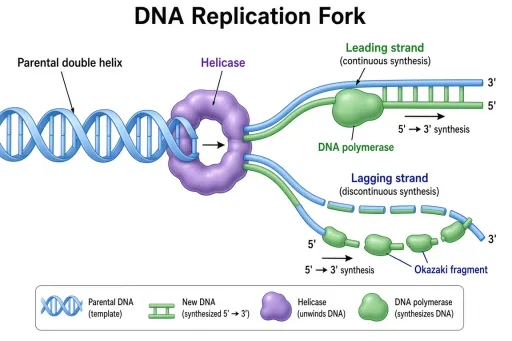 DNA replication fork (validation)
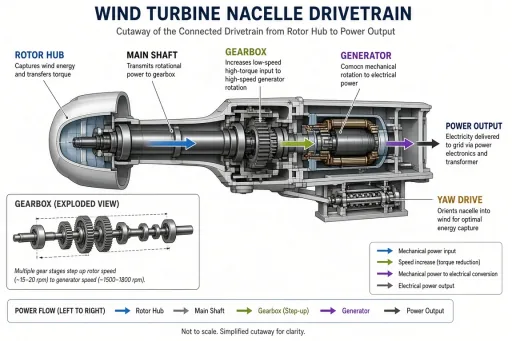 Wind turbine nacelle (validation)
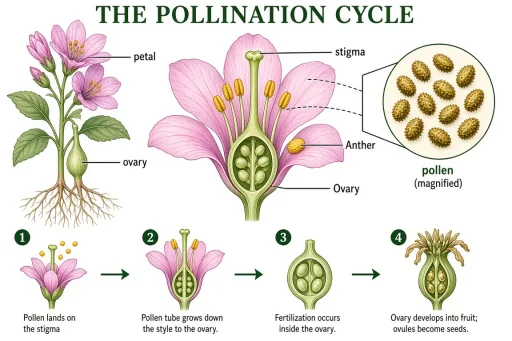 Pollination cycle (validation)
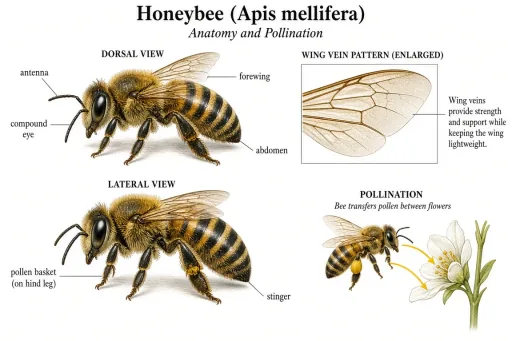 Honeybee anatomy (validation)
 Stratovolcano cross-section (validation)
 Coral bleaching and recovery (validation)
 Sun structure cutaway (validation)
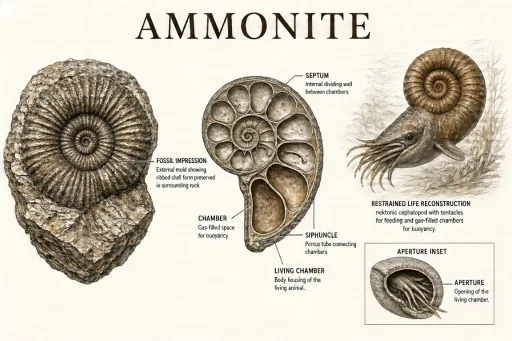 Ammonite comparison (validation)
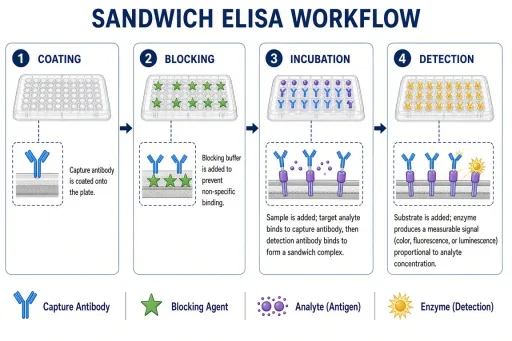 ELISA workflow (validation, free)
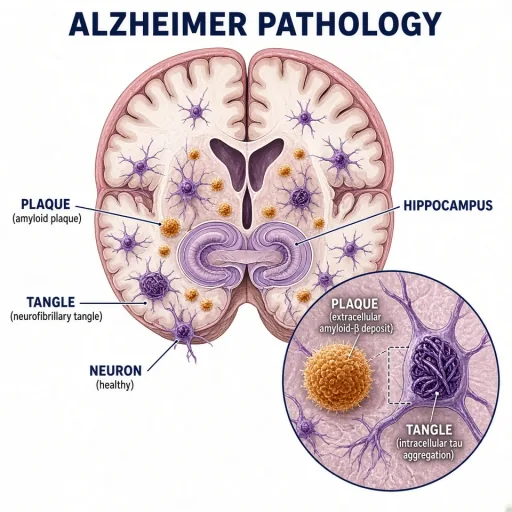 Alzheimer pathology in the hippocampus
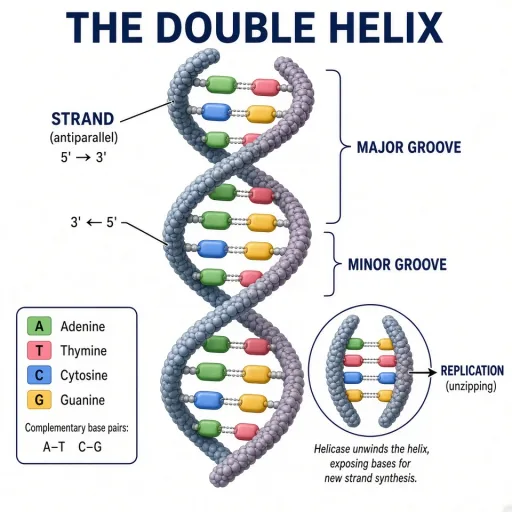 The DNA double helix
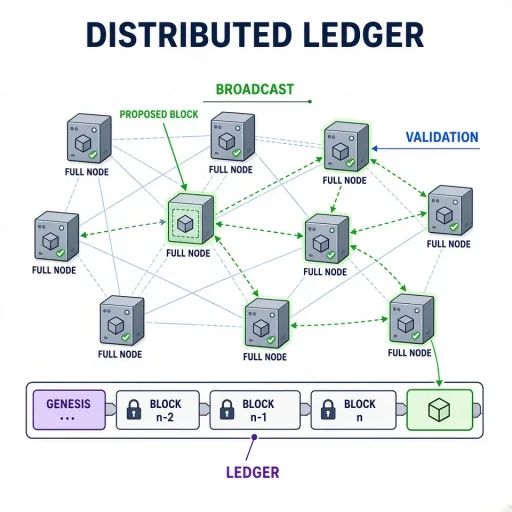 Blockchain network topology
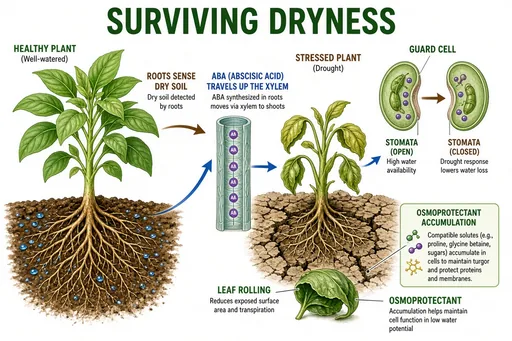 Plant drought response
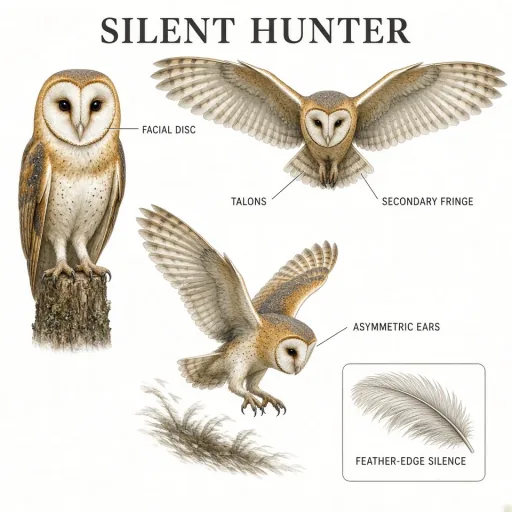 Barn owl hunting plate
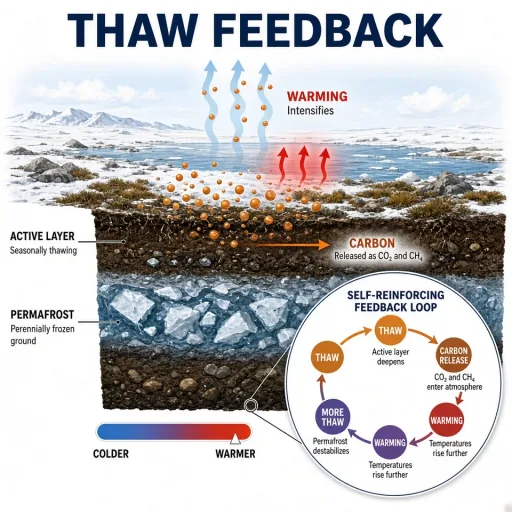 Permafrost thaw feedback
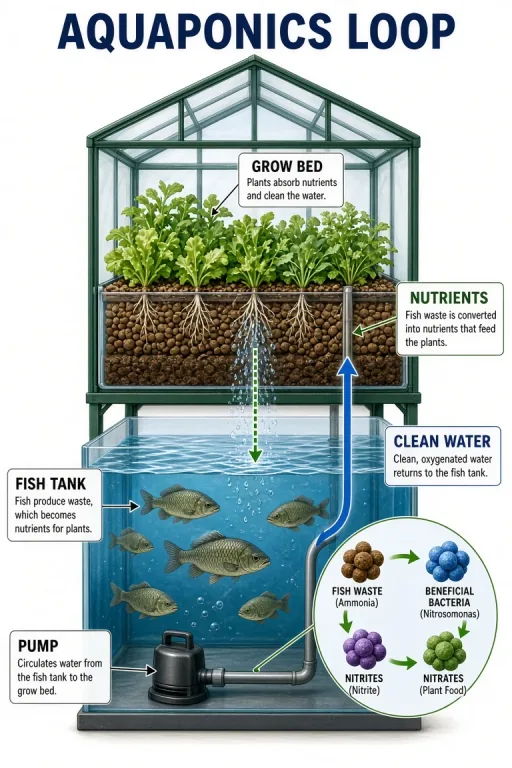 Aquaponics closed loop
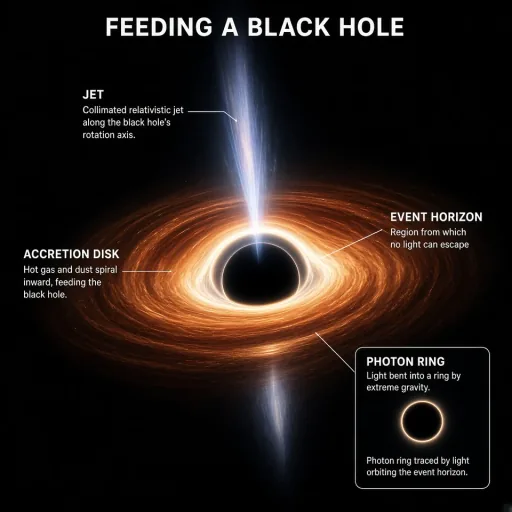 Black hole accretion disk
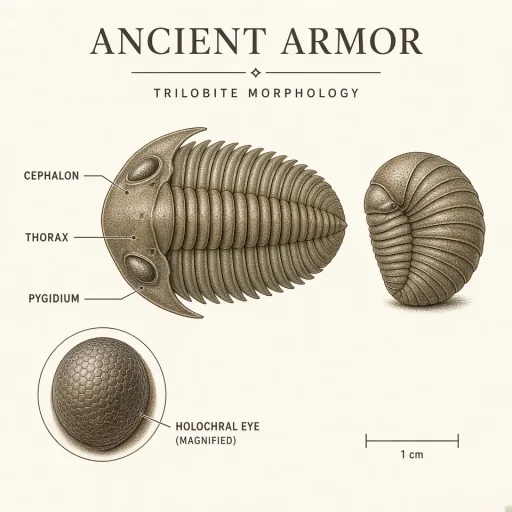 Trilobite morphology plate
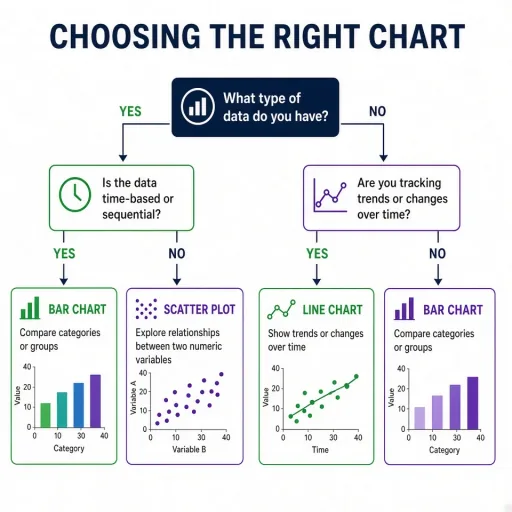 Peer review decision tree (validation, free)
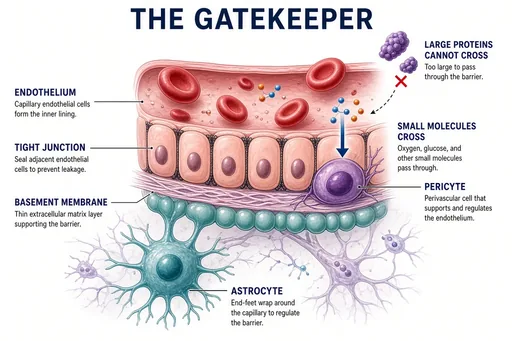 Blood-brain barrier concept
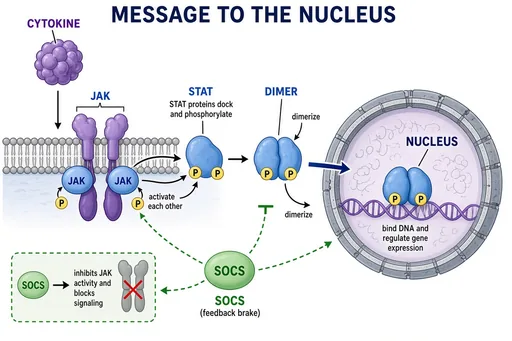 JAK-STAT signaling
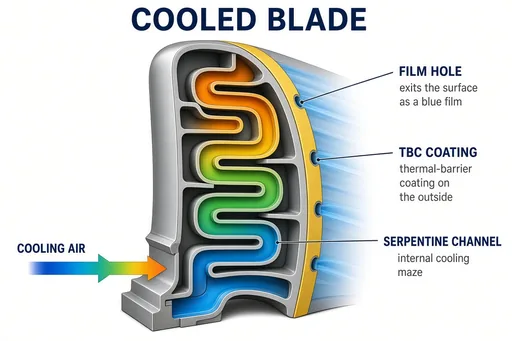 Turbine blade cooling channels
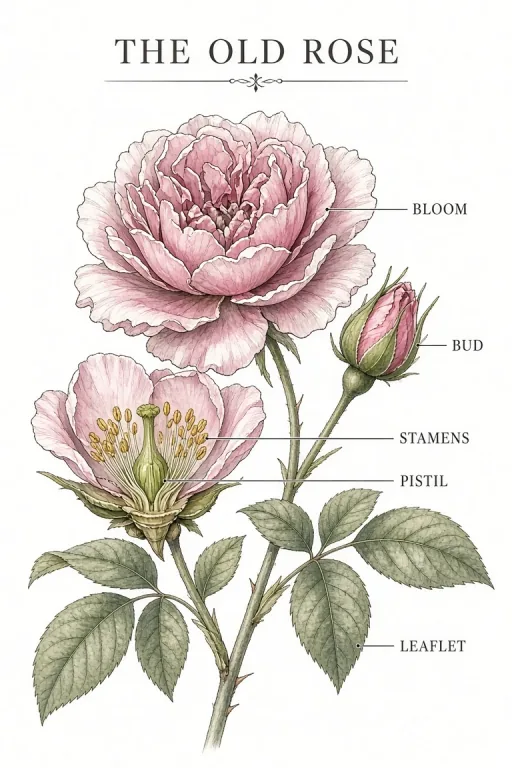 Heritage rose plate
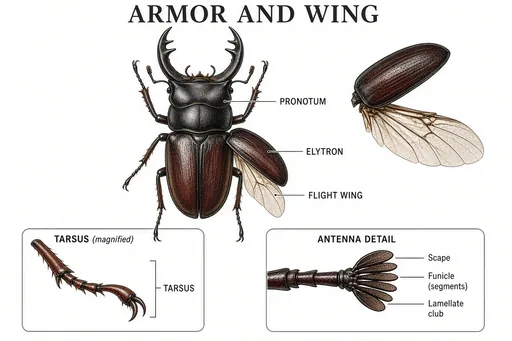 Beetle morphology plate
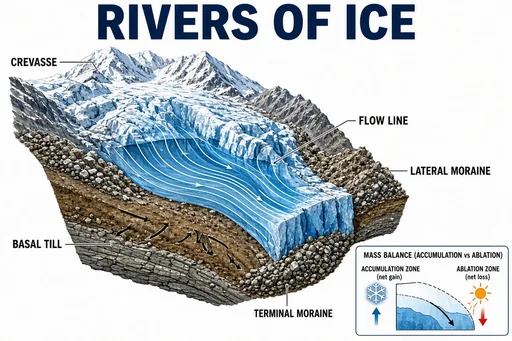 Glacier motion and moraines
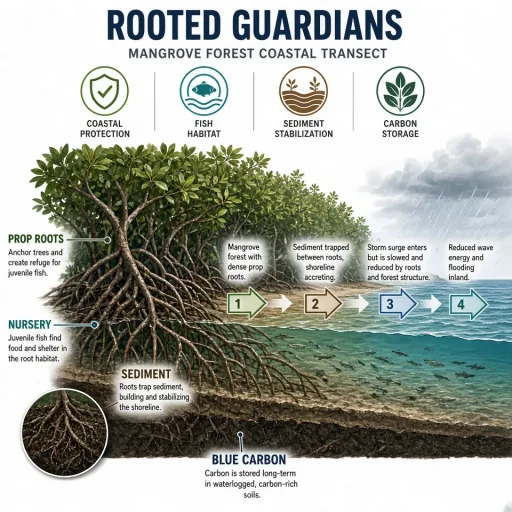 Mangrove ecosystem services
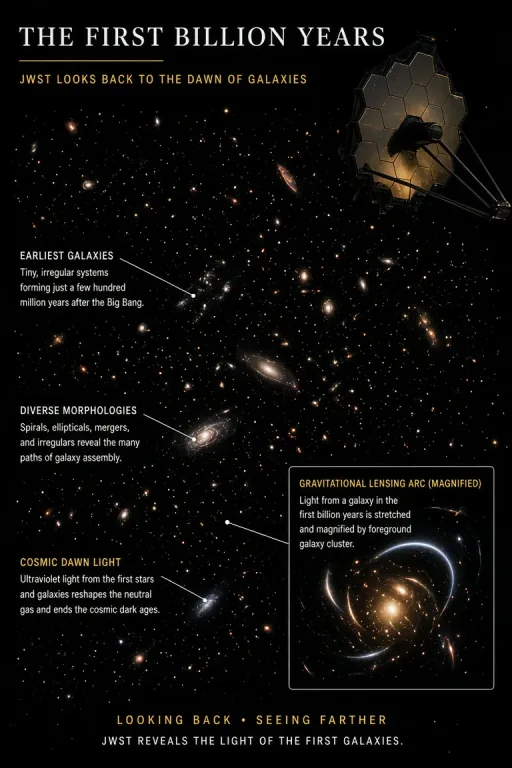 Webb deep field (cover art)
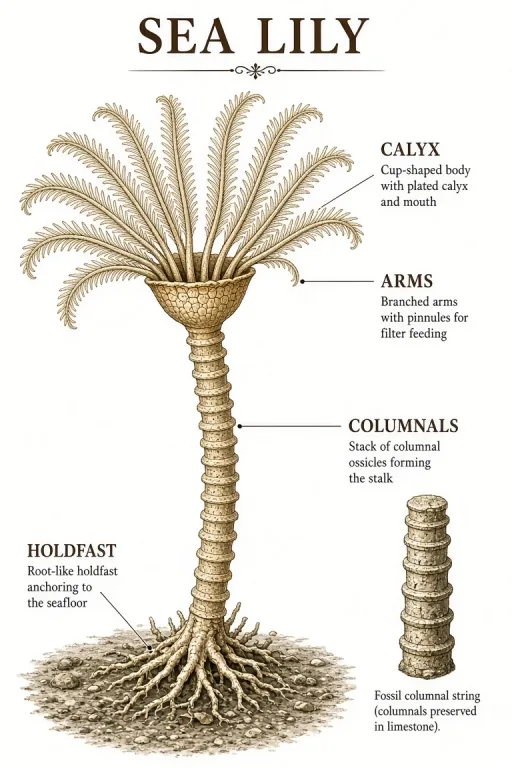 Crinoid reconstruction
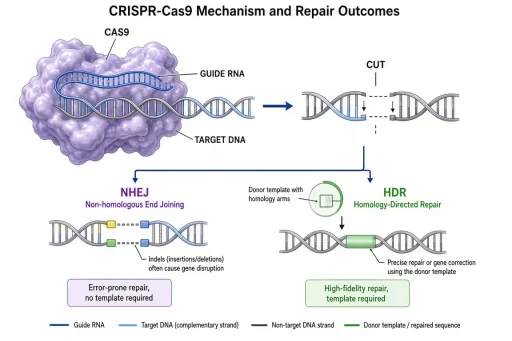 CRISPR-Cas9 mechanism (validation, free)
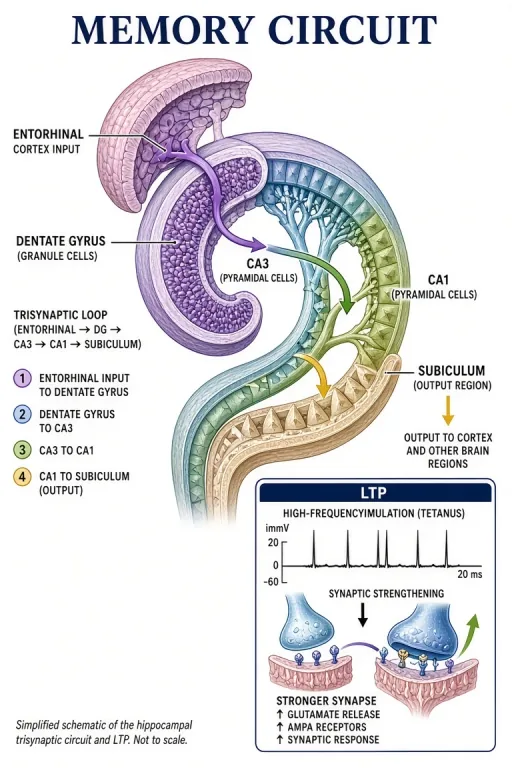 Hippocampus memory circuit
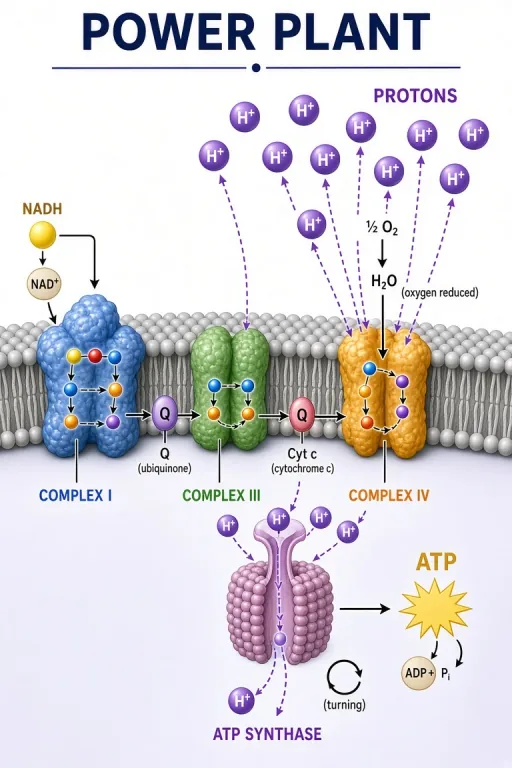 Mitochondrial electron transport chain
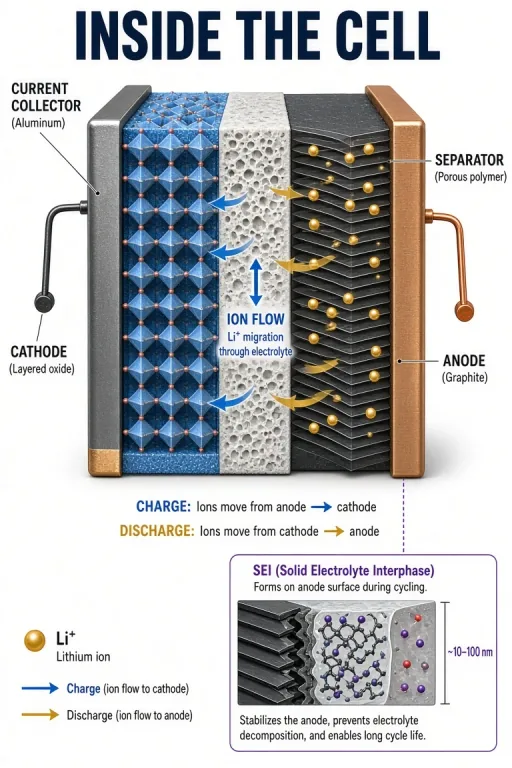 Lithium-ion battery cell
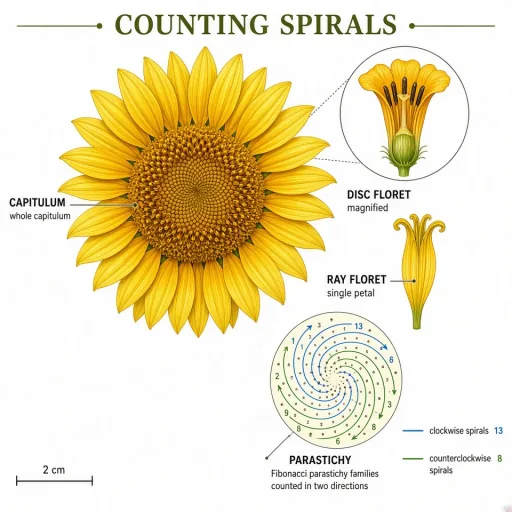 Sunflower phyllotaxis
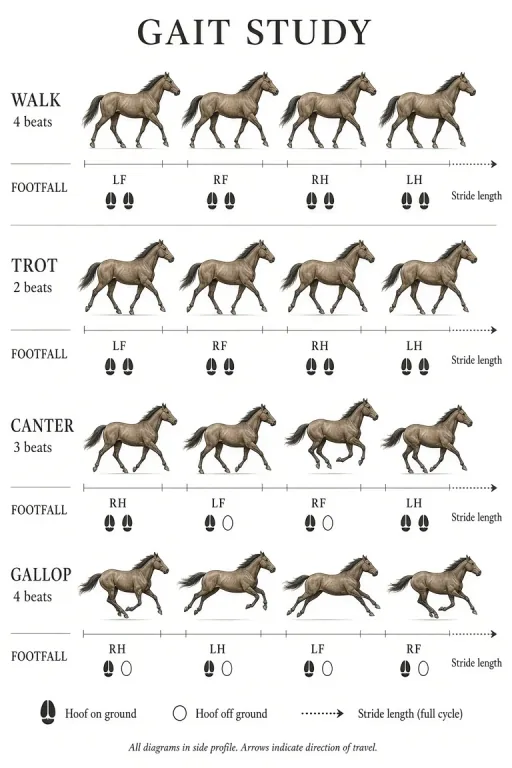 Horse gaits study
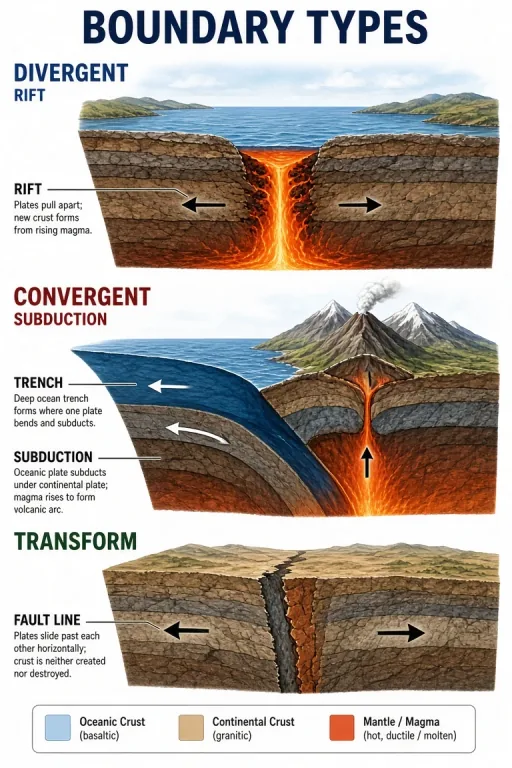 Three plate boundary types
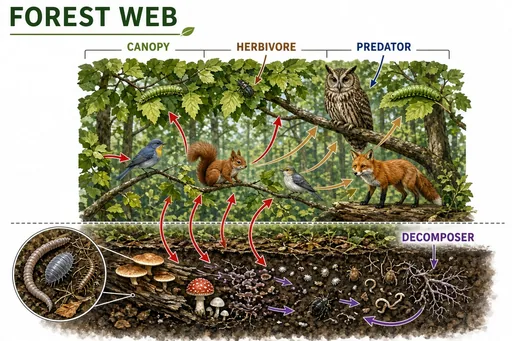 Temperate forest food web
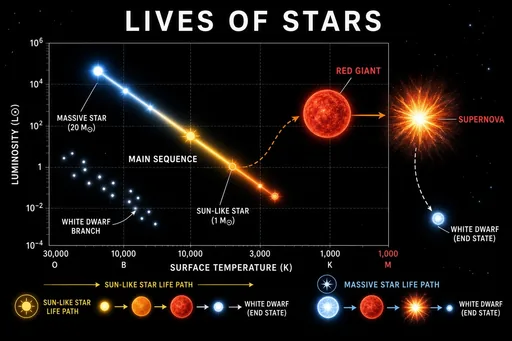 Star life cycle and the HR diagram
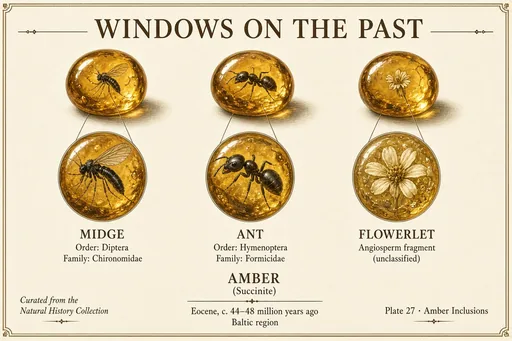 Amber inclusions gallery
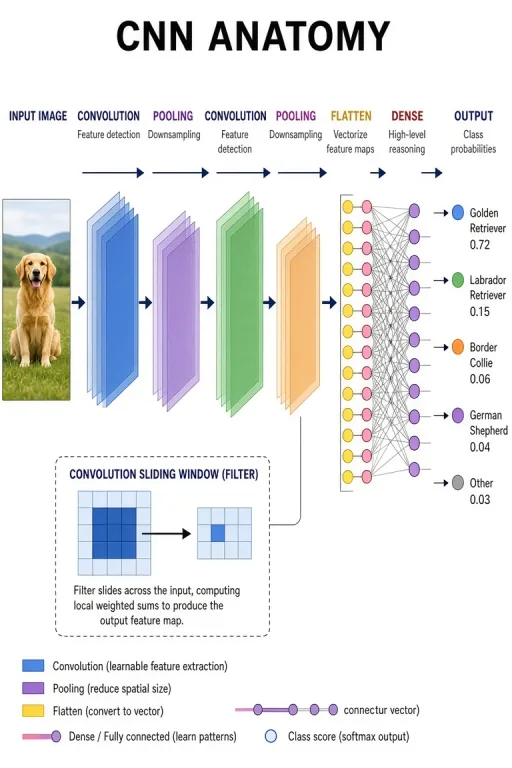 Convolutional network architecture
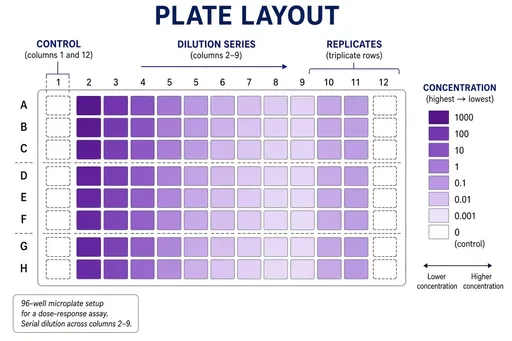 96-well plate assay layout
 Research conference poster session
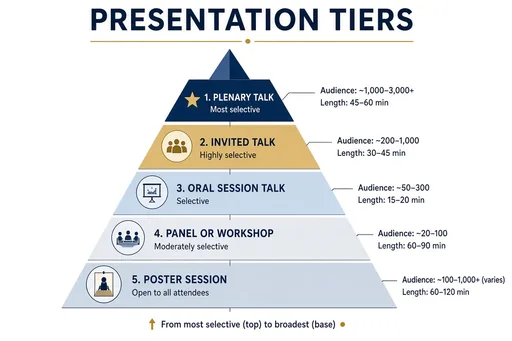 Conference presentation tiers
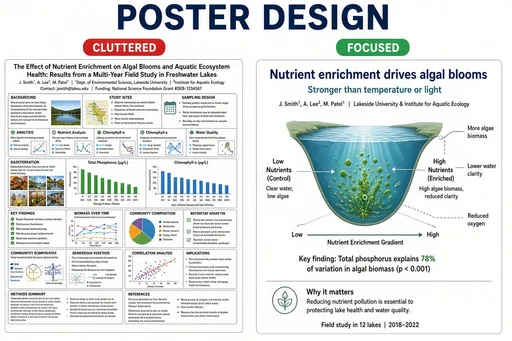 Strong vs weak research poster
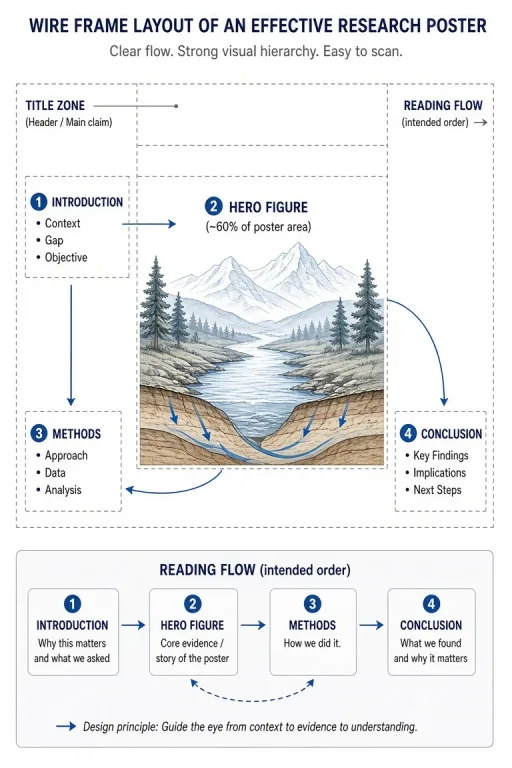 Hero-figure poster architecture
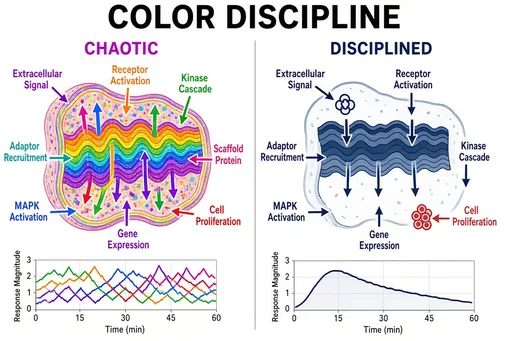 Color discipline in figures
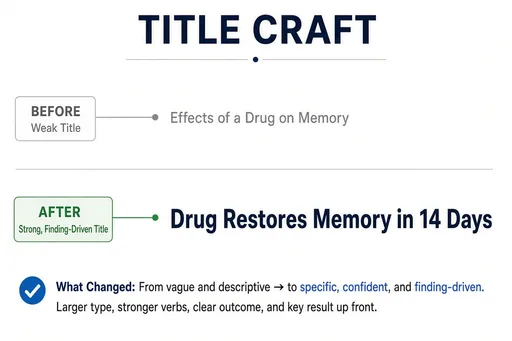 Poster title formulas
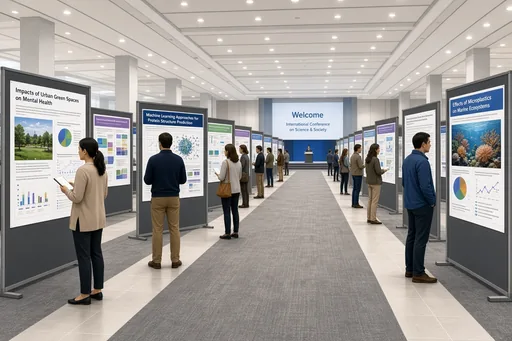 Poster hall overview
Scientific illustration is accuracy-first image making: every structure is named, every proportion is defensible, and the composition teaches something. The scientific mode on GLMImage is built around that contract — prompts describe the subject, the view (cross-section, dorsal, sagittal, orbital), and the labels that must appear.
Nine discipline recipes load the right visual conventions automatically: botanical plates, zoological specimens, medical anatomy, natural history, engineering cutaways, cell and molecular biology, earth systems, astronomy, and ecology.
Start from a real reference: a textbook figure, a museum plate, or a paper. Name the structures you need labeled, in quotation marks for exact spelling. Generate, compare against the reference, and iterate one element at a time — view first, then labels, then style.
Treat output as a strong draft. AI illustrations accelerate layout and labeling, but publication and clinical use still need expert verification of morphology and terminology.
Long-form guides, prompt patterns, and accuracy notes for AI scientific illustration.
Start from a subject-specific diagram, then open its tuned prompt in the scientific illustration generator. These links point directly to the final canonical entity pages.
Use the topic hub to browse the complete collection, or go directly to a workflow, prompt pack, or verification guide.
Practical starting points
Use these as structures, not magic phrases. Replace the subject, purpose and constraints with details from your own project.
Create a textbook diagram of a plant cell showing the cell wall, cell membrane, nucleus, chloroplasts, large central vacuole, mitochondria, and rough endoplasmic reticulum, with clear leader lines and labels, off-white background.
Biology recipe · education layout
Create a botanical plate with a complete flower, a cross-section showing "petal", "stamen", "pistil", "ovary", and "sepal", plus a pollination detail, watercolor style on cream paper.
Botanical recipe · specimen plate
Create a labeled geological cross-section of a convergent plate margin showing the subducting slab, trench, volcano, magma chamber, and labeled layers of crust and mantle.
Earth-science recipe · systems diagram
Focused workflow
The style cards below load the right recipe — botany, anatomy, geology, astronomy and more.
One or two sentences. Put exact label wording in quotation marks so terms render correctly.
Check structure names and proportions against a real reference; iterate one element at a time.
Download the high-resolution image; have a domain expert review before publication.
Scientific illustration is image making where accuracy comes first: structures are named, proportions are correct, and the composition explains something. It is used in textbooks, journals, museum panels, and science communication.
AI can produce a structured, labeled draft far faster than manual layout. The scientific mode is tuned for information-rich figures, but generated labels, morphology, and terminology still need expert verification before publication or clinical use.
The scientific mode can render labels in both English and Chinese. Put exact wording in quotation marks in the prompt, then verify every rendered label before use.
Review the current terms and any third-party rights that apply to your source material before publishing. For peer-reviewed journals, textbooks, or patient education, treat every AI illustration as a draft: verify structures against an authoritative atlas and have a domain expert sign off before publication. New accounts can try 2 free images before choosing a plan.
The workflow and its core prompt are already available in the generator. The page gives you the brief; the selected tool turns it into an image.
Open the selected workflow