LIFE SCIENCES
Botany & Plant Anatomy
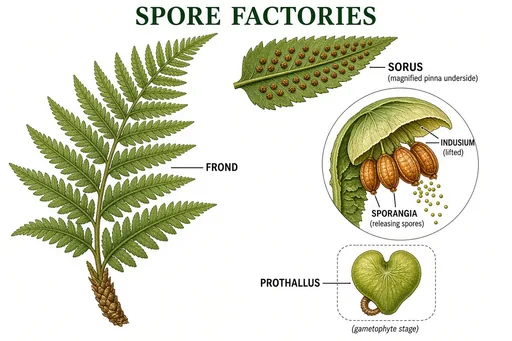
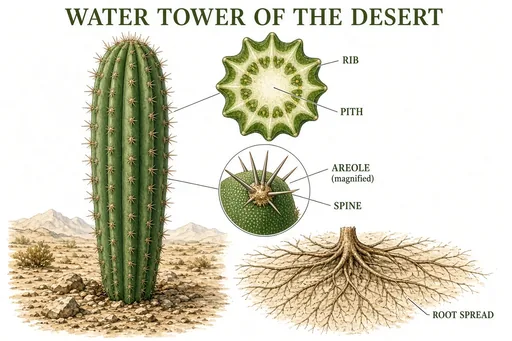
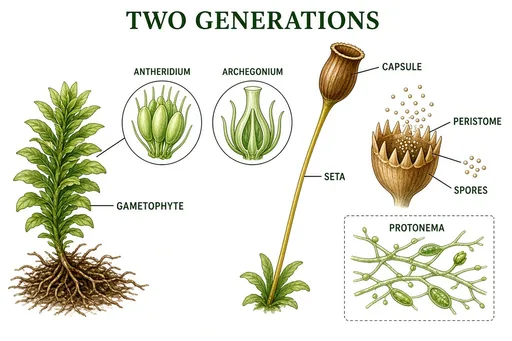
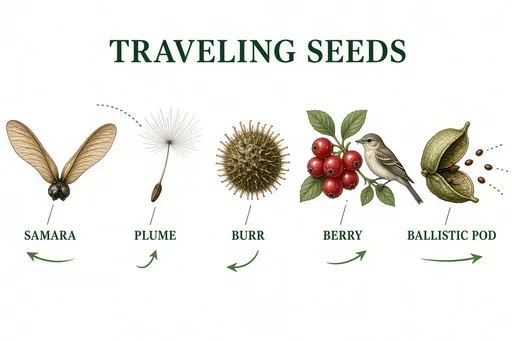
Specimen plates, flower cross-sections, and pollination stages with botanical terminology.
- Specimen plates
- Flower anatomy
Text to Plate · Botanical Recipe
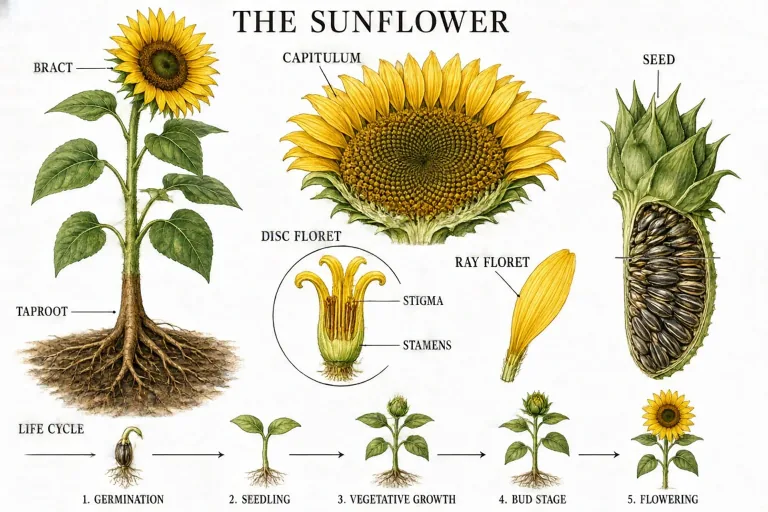
Generate herbarium-style botanical plates with correct morphology and clean labels: full specimens, flower cross-sections, leaf venation, and pollination details — from one descriptive sentence.
Use this focused workflow when the plant itself is the subject. It keeps specimen habit, diagnostic details, labels and plate composition in one reviewable draft instead of treating the result as decorative floral art.

LIFE SCIENCES
Specimen plates, flower cross-sections, and pollination stages with botanical terminology.
LIFE SCIENCES
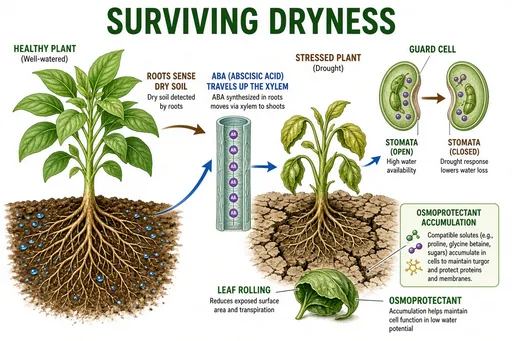
Plant cells, photosynthesis pathways, and molecular machinery with directional cues.
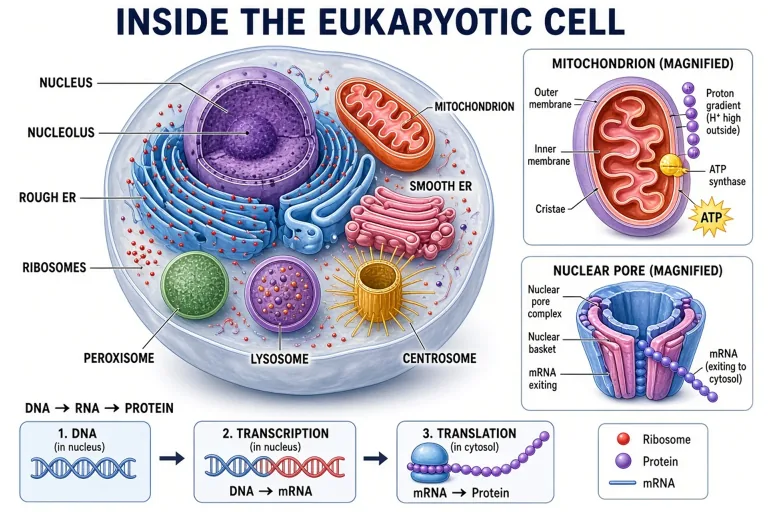
Made with GLMImage
Review real specimen plates, flower sections and plant-anatomy drafts before starting your own.
Focused workflow
Full habit, cross-section, or comparative chart — one sentence is enough.
Put exact botanical terms in quotation marks for correct rendering.
Watercolor herbarium, vintage engraving, or clean textbook plate.
Check organ count and arrangement against a flora reference before use.
Practical starting points
Use these as structures, not magic phrases. Replace the subject, purpose and constraints with details from your own project.
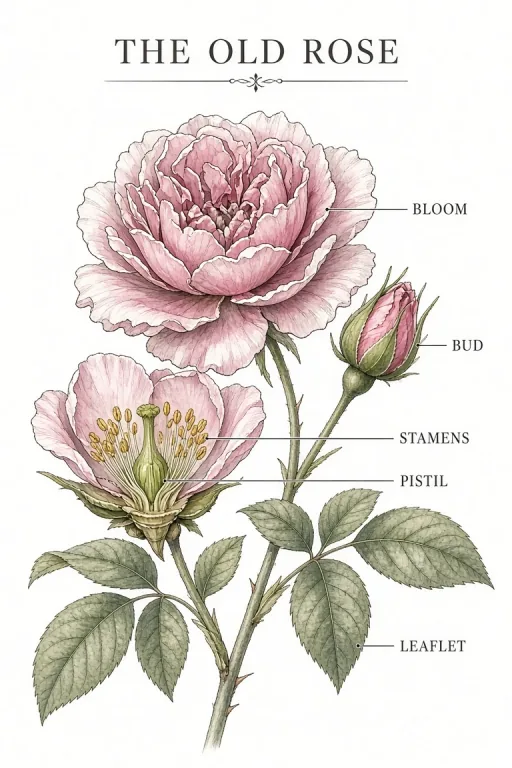
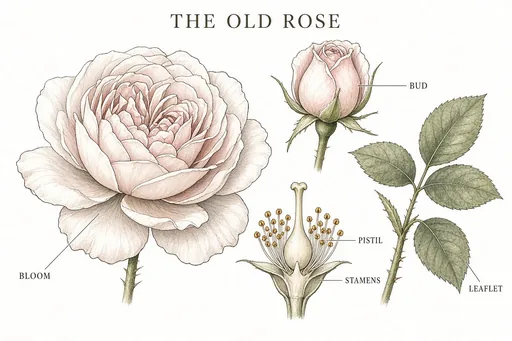
Create a herbarium-style botanical plate of a lily: full habit with roots, a flower cross-section labeling "petal", "stamen", "pistil", "ovary", a leaf with venation detail, watercolor on cream paper.
Specimen plate · watercolor
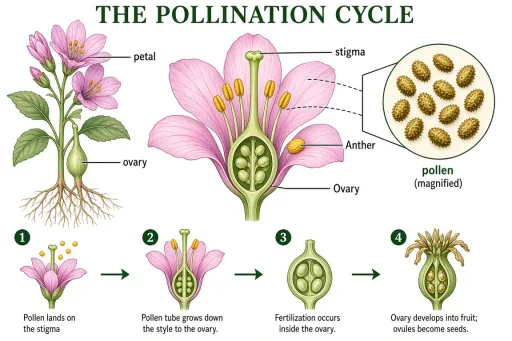
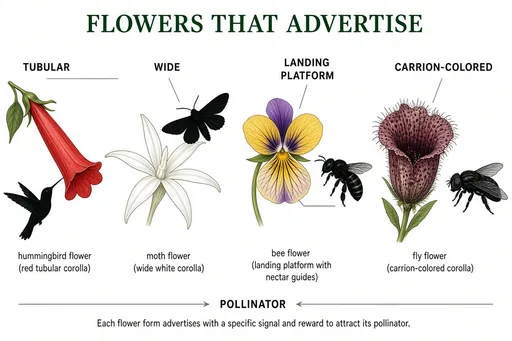
Create a botanical illustration showing bee pollination of a pea flower, with an inset cross-section labeling the "banner", "wings", "keel", "stamens", and "stigma".
Process detail · labeled inset
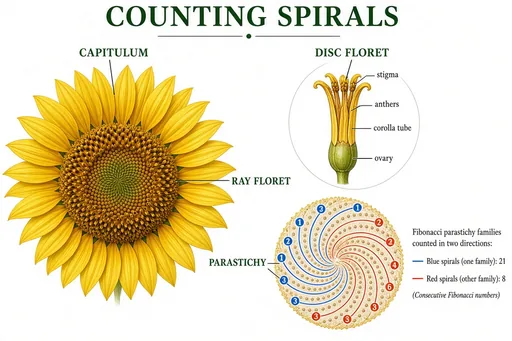
Create a textbook chart of leaf morphology showing "simple", "pinnately compound", "palmately compound", and "entire", "serrate", "lobed" margins, each labeled.
Comparative chart · education
Classical botanical illustration combines a complete habit drawing with diagnostic details: flower cross-section, stamen and pistil structure, leaf margin and venation, sometimes seed or fruit. The botanical recipe reproduces exactly that layout, so your prompt only has to name the species and the structures to label.
Because label wording is part of the prompt, terms like "stamen", "pistil", "ovary", or "leaf axil" render as readable leader-line labels — in English or Chinese.
Paste a species description or field note, choose the style (watercolor herbarium, copper engraving, or clean textbook), and generate. Compare organ count and arrangement against a flora reference; regenerate the detail insets rather than the whole plate when one part is off.
Illustrators use these plates for journal figures, field-guide mockups, teaching material, and print products.
Guides and galleries for botanical illustration work.
Name the species, the view (habit, cross-section, detail), and the structures to label, then choose a style. For example: "a botanical plate of a tulip with a flower cross-section labeling stamen, pistil, and ovary, watercolor style".
The botanical recipe is tuned for correct organ arrangement, but AI output is still a draft. Verify diagnostic features — stamen count, leaf arrangement, flower symmetry — against a flora reference before publication.
Yes. Ask for a vintage or 19th-century engraving aesthetic and the recipe applies aged paper tones and engraving linework while keeping the labels legible.
Review the current terms and any third-party rights that apply to your source material before publishing. For peer-reviewed journals, textbooks, or patient education, treat every AI illustration as a draft: verify structures against an authoritative atlas and have a domain expert sign off before publication. New accounts can try 2 free images before choosing a plan.
Name the specimen, view and required structures. Generate the first layout here, then verify morphology against a flora or herbarium reference.
Create a botanical illustration